
Four Candidates Confirmed for Fonterra Board Election
Four candidates have been confirmed for two director positions on Fonterra’s board.




 increase font size
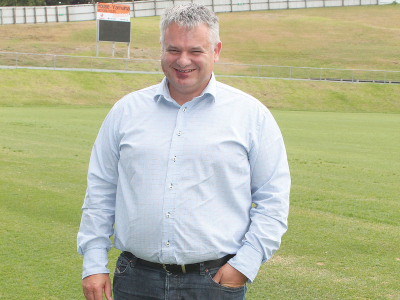 Fonterra director Brent Goldsack.
Growth has been debated at the Fonterra board table and the directors’ view now is that the co-op will not see the huge growth of the past, says director Brent Goldsack.
Environmental constraints could be the limiting factor.
“Things around water and nutrients: we will get a very good handle on that,” he told the Northland Dairy Development Trust’s annual meeting in Whangarei last week.
“But as we look at gases – whether methane or nitrous oxide -- that’s much harder.”
Methane may be a little easier but generally it gets harder, Goldsack said.
Over 35 years production has increased threefold but the co-op won’t be getting that growth in the future, he says. With genetics and science he is confident farming will consistently improve.
“As a board I think we are saying [growth] is probably going to be relatively flat — certainly for the foreseeable future.”
Goldsack says he is worried at the prospect of a payout of $7/kgMS or better next year because at that price people start getting ahead of themselves and do things they later regret.
“The Europeans, the Americans… they would much rather be where we are today and this is our third year in the mid $6/kgMS. It’s been a nice spot for the co-op over the last three years.”
Four candidates have been confirmed for two director positions on Fonterra’s board.
A record farmgate milk price and strong global demand is laying the foundation for continued growth of organic dairy farming in New Zealand.
Waikato milk processor Tatua has again declared a record milk payout to farmer shareholders, leaving other processors in the dust.
Fonterra has unveiled its annual results for the 2026 financial year, posting $27 billion in revenue and close to $20 billion returned to New Zealand farmer owners and unit holders.
Fonterra Co-operative Group has confirmed the independently assessed candidates standing for election to its board in 2026.


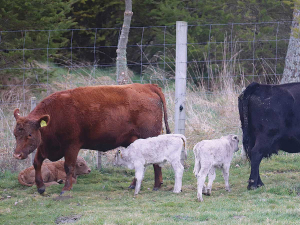
A major move is about to get underway to improve the quality and viability of dairy beef and cattle in NZ.
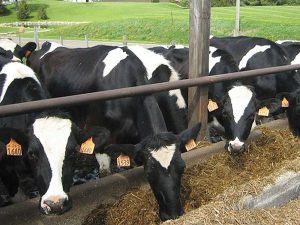
Veterinarians say changes to the code of welfare for dairy cattle provides a positive foundation for improved cattle welfare across the country.
Today, 15 October, is the International Day of Rural Women, which recognises rural women’s contribution to farming, communities and the environment.
Global dairy giant Lactalis has integrated its Australian operations with the Mainland Dairy consumer business it acquired from Fonterra earlier this year.
After almost two decades of sharemilking, saving and building equity, Aaron and Marcia Flay this year realised their long-held dream of settling on their first dairy farm.
Good medium to long term prospects for NZ beef, especially in the US, has heighted the focus on various initiatives to capitalise on this situation.


OPINION: It seems Canterbury processor Synlait is still in the doldrums.
OPINION: Get offside with New Zealand First leader Winston Peters at your own peril.




