
Fonterra CFO Andrew Murray Resigns
Fonterra Co-operative Group chief financial officer Andrew Murray has resigned to take up a role outside the dairy giant.




 increase font size
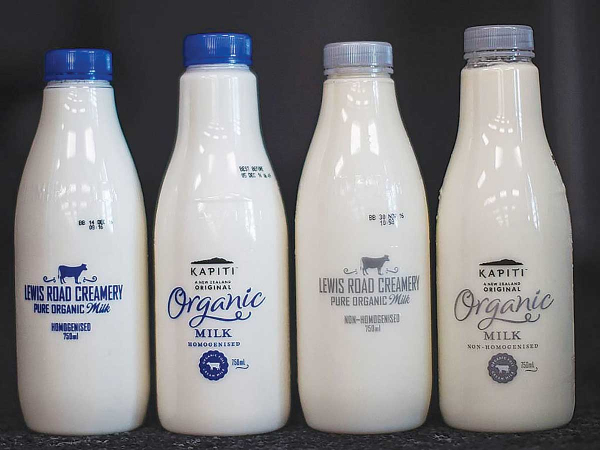 The organic dairy sector has grown by 55% since 2017.
New Zealand's organic export market has been ‘dominated’ by dairy, according to the latest market sector report released by Organics Aotearoa New Zealand (OANZ).
The report, which looks to measure the growth of the organics sector, states that New Zealand’s organic dairy sector has grown by 55% since 2017 to be valued at $153.7 million.
The average herd size on an organic dairy farm in New Zealand stands at approximately 300 cows, compared to 440 cows in the average non-organic herd.
At a launch event for the report, Fonterra global business manager organics Andrew Henderson said organic dairy producers tended to have a lower stocking rate when compared with conventional farmers.
“Overall, I think if you look at it on a per kilo milksolids basis, organic farms on average are about 20% down and a lot of that’s to do with synthetic fertilisers, but also around that stocking rate as well.”
He added that, overall, organic farming was better for the environment, with lower nutrient run off.
Henderson said consumer recognition was still a big issue for the organic dairy sector.
“We still have a long way to go; a little bit of a journey to continue to educate consumers globally on what organics is,” he said.
The report states that China is the largest importer of New Zealand dairy, where other sectors have more of a focus on the United States, the United Kingdom and Europe. “China is also one of the fastest growing markets for organic dairy products in the world,” the report states.
Exports to China had reached $81 million in 2020, according to the report.
OANZ chief executive Viv Williams said that the report showed how the organic sector on the whole represented New Zealand.
“Ours is a diverse sector ranging from the organic operations of corporate leaders like Fonterra and Zespri to community initiatives to promote local food security,” Williams said.
“We are confident we can do more as we realise our full potential to expand further.”
Fonterra Co-operative Group chief financial officer Andrew Murray has resigned to take up a role outside the dairy giant.

Four candidates have been confirmed for two director positions on Fonterra’s board.
A record farmgate milk price and strong global demand is laying the foundation for continued growth of organic dairy farming in New Zealand.
Waikato milk processor Tatua has again declared a record milk payout to farmer shareholders, leaving other processors in the dust.
Fonterra has unveiled its annual results for the 2026 financial year, posting $27 billion in revenue and close to $20 billion returned to New Zealand farmer owners and unit holders.


National’s pledge to introduce 19 new national standards shows the party is serious about getting Wellington out of farming, Federated Farmers says.
The National Party’s policies to make it easier to grow fresh vegetables, secure reliable water and energy and simplify farm planning are practical changes that will give growers the confidence to invest, according to Horticulture New Zealand (HortNZ).
Fonterra Co-operative Group chief financial officer Andrew Murray has resigned to take up a role outside the dairy giant.
A major move is about to get underway to improve the quality and viability of dairy beef and cattle in NZ.
Veterinarians say changes to the code of welfare for dairy cattle provides a positive foundation for improved cattle welfare across the country.
Today, 15 October, is the International Day of Rural Women, which recognises rural women’s contribution to farming, communities and the environment.

OPINION: It seems Canterbury processor Synlait is still in the doldrums.
OPINION: Get offside with New Zealand First leader Winston Peters at your own peril.




