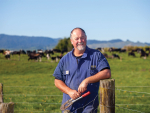
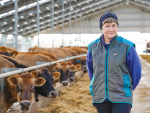
DairyNZ's extension manager Andrew Reid says there’s some truth in the suggestion that a whole generation of farmers have never relied solely on grazing their cows on grass.
He says some have fed nothing but supplements, their use having coincided with the higher farmgate milk prices.
But the last 18 months have been a wake-up call for farmers to rely more on pasture as the main source of feed.
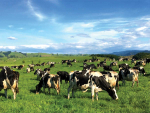
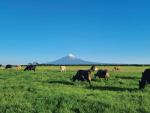
New Zealand farmers’ ability to manage grass pastures gives them a competitive edge over other dairy farmers in the world, Reid says. This is the point of DairyNZ’s Pasture First message.
“The main thing now is for them to grow quality pasture and make efficient use of it. They can’t relax on that and should note what stock demand is and not be as ready as they have been to call in the feed truck,” Reid says.
In this season farmers should “have their finger on the button in terms of their pasture” to ensure during summer they don’t waste opportunities.
Response to the Pasture First message has been good, Reid says, but some farmers find it challenging to implement this philosophy because they appear to lack confidence to run such a system.
“For years people could afford to buy in feed; but now the fundamental message is to have the confidence to make decisions on pasture management because many cannot afford to buy in extra feed. The Pasture First message is getting through; it’s the implementation that requires extra skill.”
The season has so far been pretty variable, Reid says. The weather hasn’t been favourable in the North Island, with rain during spring, while the South Island has had the opposite. But now this is reversing.
“The challenge now is for farmers to lock in the gains they have made in the last 18 months. Their confidence in the lift in the GDT should not be a reason for farmers to take their eye off the ball in terms of the pasture message.
“They should look closely at where their farm working expenses are going and capitalise on the efficiencies from a production perspective.”
Predicting weather is difficult; in hindsight farmers last year took the El Nino forecast too literally. Reid forsees an average summer.