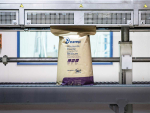
Milk Powder Prices Prop Up Farmgate Milk Price
Milk powder prices are keeping farmgate prices up, helping processors offset the dip in milk fat prices.




 increase font size
 The overnight GDT auction saw the price index slip 4.2%.
The drop in global dairy prices point to continued weakness in global demand for imported dairy products, says RaboResearch’s Thomas Bailey.
The overnight Global Dairy Trade (GDT) auction saw the price index slip 4.2% from the prior event.
However, Bailey says the results may be considered somewhat positive compared to other dairy markets over the same time.
US May futures prices for Class IV milk (non-fat dry milk/SMP and butter) fell by 10% since April 7 and are now down 41% since the start of the year.
By comparison, skim milk powder price overnight was down 5.3% since the last event, and down 21% since January 7.
He says mixed in with these results are some pieces of good news. Cheddar and lactose prices increased 2% and 12%, respectively, from the last event, and are 12% and 35%, higher from the start of the year. A combination of relatively small volumes offered and a specialised buyer requirement play a role in this price improvement.
However, more challenging is the continued price decline in core products such as WMP and SMP, says Bailey.
“North Asian demand purchases increased 43% from the previous event but were not enough to offset the declines seen in Southeast Asia (SEA), Middle East, and Africa (MEA), which fell a combined 44%.”
Key results
AMF index down 7.0%, average price US$4,083/MT
Butter index down 3.6%, average price US$4,117/MT
BMP not offered
Ched index up 1.9%, average price US$4,480/MT
LAC index up 12.0%, average price US$1,078/MT
RenCas index down 3.0%, average price US$9,409/MT
SMP index down 4.9%, average price US$2,380/MT
SWP not offered
WMP index down 3.9%, average price US$2,707/MT
Milk powder prices are keeping farmgate prices up, helping processors offset the dip in milk fat prices.
OPINION: With 10,500 dairy farms, New Zealand continues to punch above its weight around the world.
A milk glut around the world shows no sign of easing, putting downward pressure on farmgate milk prices for the next few months.
Fonterra has reduced its forecast 2026/27 Farmgate Milk Price.
New Zealand dairy farmers are set to be the first in the world to receive access to a new digital physical milk pricing tool that enables them to fix the price for their physical milk.


Farmer-owned fertiliser company, Ballance Agri Nutrients is welcoming National’s plan to negotiate security agreements with key supplier countries to protect New Zealand-bound products from export restrictions and greater supply chain certainty.

Carrfields has announced the appointment of Stu Hall to the newly created role of chief operating officer, Carrfields Ltd, reflecting the continued growth of their agribusinesses and the need to ensure the company has the leadership capacity and support in place as it pursues the emerging opportunities ahead.
New Zealand's role is not to compete with Indian growers, according to NZ Apples and Pears.
The potato industry is celebrating the success of two rising stars - James Blair, the 2026 Young Grower of the Year and runner-up and innovation award winner, Amber Davy.
Twenty-eight emerging leaders from across the horticulture sector spent two days last month learning valuable skills and connecting with industry experts.
There are five entrants in this year’s Young Horticulturist of the Year, competing in a series of technical, practical, business and leadership challenges.

OPINION: It seems Canterbury processor Synlait is still in the doldrums.
OPINION: Get offside with New Zealand First leader Winston Peters at your own peril.




