
Four Candidates Confirmed for Fonterra Board Election
Four candidates have been confirmed for two director positions on Fonterra’s board.




 increase font size
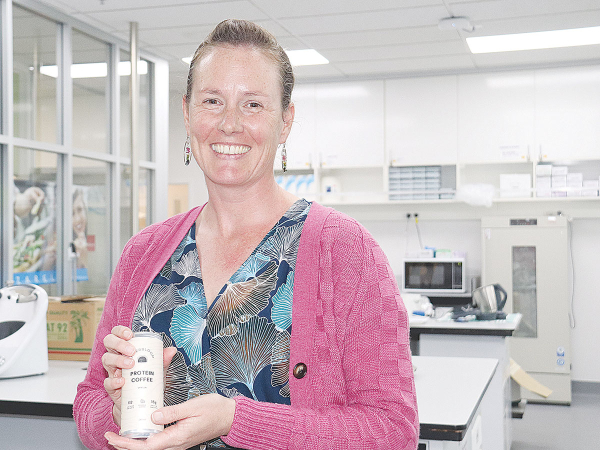 Sarah Glyn-Jones, Fonterra’s general manager advanced nutrition with a high protein coffee drink.
Research lending to the production of dairy products that benefit the elderly and improves the overall wellbeing of all people is a key focus of Fonterra's Research and Development centre, based in Palmerston North.
The director of the centre Dr Pierre Venter says, as part of this, they are also focusing on what he calls the "next generation dairy solutions".
He says it's about making sure that Fonterra has the ability and the right products to meet the needs of the world's aging population, and wellbeing, which is about the general fitness of everyone else.
Venter says, with an ageing global population, healthy aging is an important product category; with this comes the issue of frailty - a challenge in its own right.
"The way we see the trend globally is, if you consume more of the right protein at the right time, you typically postpone or change the health outcome from a frailty perspective, so you become frail later in life," he told Dairy News.
Venter says this issue is taken very seriously in Japan where there are online tools that can predict when a person is likely to get frail. At that point, the issue of dietary requirements comes into play and, in particular, ensuring that people get sufficient protein.
He says Fonterra-developed proteins are used in different ways by customers. He says at some point, taste becomes a factor with a cohort of consumers wanting what they eat to taste like the food they are used to, while others are up for a complete change.
"We are producing ingredients that go into those final products for consumers. We have got such an array of customers; many of them could be targeting convenience for, say, busy couples, while others will be targeting medical foods. Our job is to make sure we have the proteins and other ingredients that are fit for purpose for those very specific applications, and sometimes we will produce a unique application for a product," he says.
Venter says one of the scientific challenges in the development of proteins is retaining a low viscocity or thickness in each product. He says sometimes if you have more protein, the product can be more viscous.
"Fonterra has unique offerings in that some of our products will have high concentrations of protein but without dramatically increasing the viscocity of them."
An integral part of the R&D programme at Palmerston North is food safety. Venter is personally an expert in this area and says when they create a new process or product, they automatically innovate safety and quality into it.
"It not only has to taste well and have good functionality, but it also needs to be safe, and we need to be able to stand behind the quality of that product over its shelf life, so we are quite proud of what we do," he says.
 |
|---|
|
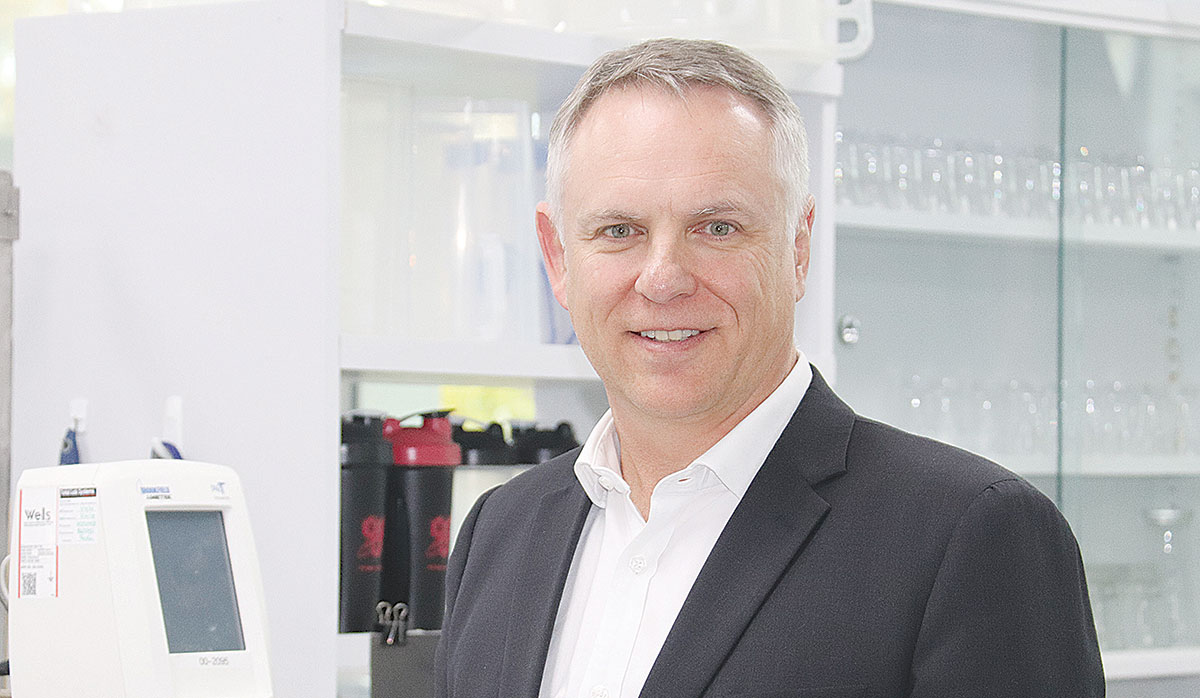
Dr Pierre Venter, Fonterra. |
All About Milk Quality
Fonterra's research and development programme is naturally guided by 'market insights'.
That is, information gathered by Fonterra teams around the world and then fed back to the 350 staff at the Palmerston North R&D centre for them to design ingredients and products to meet the needs of customers and consumers.
What the world is looking for, says Dr Pierre Venter, is increased high quality protein and a need for more calcium in products. He thinks Fonterra has got this issue sorted.
"If you look at the projections... we are going to have a huge deficit with a growing world population who need to have enough of the right calcium for healthy bones," he says.
Looking to the future, Venter says the work at the R&D centre will continue to focus mostly on ingredients and food service. He says it's about developing different ingredients and generating IP and protecting their innovations. He says they must stay one step ahead of competitors.
"I think we are still world leading in many of the areas. When it comes to innovation, NZ dairy is the best and unique. If you look at our protein portfolios, we are fundamentally world leading, and in the food service area, we have some unique offerings which give us a competitive advantage in the markets," he says.
Finally, Venter says he's full of praise for the work and efforts of NZ's dairy farmers. He says they do an awesome job, not only by the putting in the hours to produce milk, but also for producing quality milk.
"The better the quality of the milk that goes into the vat, the more we can do with it at the back end at the R&D centre and right now they are doing a stellar job in that space," he says.
Venter says he'd like to share with farmers all the amazing products that are in demand around the world that originate from their farms.
Four candidates have been confirmed for two director positions on Fonterra’s board.
A record farmgate milk price and strong global demand is laying the foundation for continued growth of organic dairy farming in New Zealand.
Sam Whitelock is an All Black rugby great, Farmstrong Ambassador and working dairy farmer in the Manawatu. Having stepped away from professional sport and returned to his roots on the family farm, he talks about balancing farm life with advocating for rural wellbeing.
The Minister for Rural Communities, Mark Patterson, says there's a massive infrastructure deficit in rural areas.
Waikato milk processor Tatua has again declared a record milk payout to farmer shareholders, leaving other processors in the dust.


A major move is about to get underway to improve the quality and viability of dairy beef and cattle in NZ.
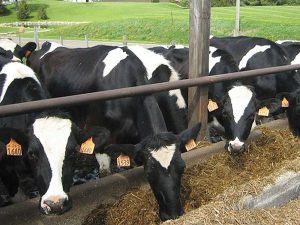
Veterinarians say changes to the code of welfare for dairy cattle provides a positive foundation for improved cattle welfare across the country.
Today, 15 October, is the International Day of Rural Women, which recognises rural women’s contribution to farming, communities and the environment.
Global dairy giant Lactalis has integrated its Australian operations with the Mainland Dairy consumer business it acquired from Fonterra earlier this year.
After almost two decades of sharemilking, saving and building equity, Aaron and Marcia Flay this year realised their long-held dream of settling on their first dairy farm.
Good medium to long term prospects for NZ beef, especially in the US, has heighted the focus on various initiatives to capitalise on this situation.


OPINION: It seems Canterbury processor Synlait is still in the doldrums.
OPINION: Get offside with New Zealand First leader Winston Peters at your own peril.




