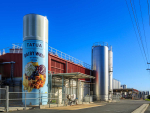
Ah Tatua, You've Done It Again!
Waikato milk processor Tatua has again declared a record milk payout to farmer shareholders, leaving other processors in the dust.




 increase font size
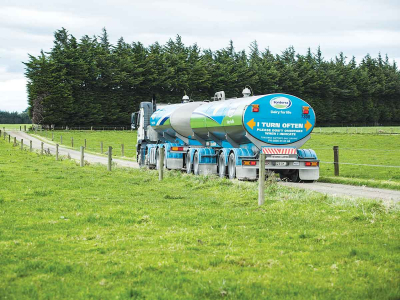 Fonterra's new forecast range is $6.55 - $7.55/kgMS
Good news for Fonterra farmers – the co-op is increasing its 2019-20 forecast farmgate milk price by 30c/kgMS.
The co-op’s new forecast range is $6.55 - $7.55/kgMS. The Advance Rate Fonterra pays its farmer owners will be set off the mid-point, $7.05/kgMS of the revised range.
Fonterra chairman John Monaghan says the co-op had been achieving good prices for its milk so far this season.
“Demand for whole milk powder (WMP) has been firm, and for the full season we’re expecting it to be above last year. Global WMP production is down year to date and expected to continue to decrease for the remainder of 2019.
“We are also continuing to sell our skim milk powder at higher prices than EU and US dairy companies in Global Dairy Trade (GDT) Events.”
Fonterra chief executive Miles Hurrell says there are positive signals for milk price.
“It is still very early in the season and a lot can change. There are a number of factors we are keeping a close eye on, which is why we’ve retained a wide forecast milk price range.
“These factors include global trade tensions and political instability in some of our key sales regions. And, as is always the case, we cannot predict the weather and clearly weather conditions play a big role in global supply.”
Hurrell says the strong demand for the co-op’s milk and the prices that are being achieved, relative to other milk producing regions, demonstrated the rationale of Fonterra’s new strategy to prioritise New Zealand milk.
“One of our four priorities is to support regional New Zealand. If you take the $7.05 mid-point of today’s revision to our forecast Farmgate Milk Price, it’s another $450 million into regional New Zealand.”
“Our earnings outlook for FY20 is based on a forecast Farmgate Milk Price, which still falls within our new forecast range of $6.55 - $7.55/kgMS. The mid-point of the revised range does mean our teams will need to continue to push hard to achieve our margins, but so far we’re comfortable with how this season is shaping up in terms of underlying business performance.”
Waikato milk processor Tatua has again declared a record milk payout to farmer shareholders, leaving other processors in the dust.
Fonterra has unveiled its annual results for the 2026 financial year, posting $27 billion in revenue and close to $20 billion returned to New Zealand farmer owners and unit holders.
Fonterra Co-operative Group has confirmed the independently assessed candidates standing for election to its board in 2026.
Fonterra has revised its Farmgate Milk Price forecast for the 2026/27 season, lifting the midpoint and narrowing the range on the back of improving global dairy commodity prices.
Outgoing Fonterra Co-operative Council chair John Stevenson says that it has been a privilege to represent the co-op's farmer shareholders.


Farmer-owned fertiliser company, Ballance Agri Nutrients is welcoming National’s plan to negotiate security agreements with key supplier countries to protect New Zealand-bound products from export restrictions and greater supply chain certainty.

Carrfields has announced the appointment of Stu Hall to the newly created role of chief operating officer, Carrfields Ltd, reflecting the continued growth of their agribusinesses and the need to ensure the company has the leadership capacity and support in place as it pursues the emerging opportunities ahead.
New Zealand's role is not to compete with Indian growers, according to NZ Apples and Pears.
The potato industry is celebrating the success of two rising stars - James Blair, the 2026 Young Grower of the Year and runner-up and innovation award winner, Amber Davy.
Twenty-eight emerging leaders from across the horticulture sector spent two days last month learning valuable skills and connecting with industry experts.
There are five entrants in this year’s Young Horticulturist of the Year, competing in a series of technical, practical, business and leadership challenges.


OPINION: It seems Canterbury processor Synlait is still in the doldrums.
OPINION: Get offside with New Zealand First leader Winston Peters at your own peril.




