
Four Candidates Confirmed for Fonterra Board Election
Four candidates have been confirmed for two director positions on Fonterra’s board.




 increase font size
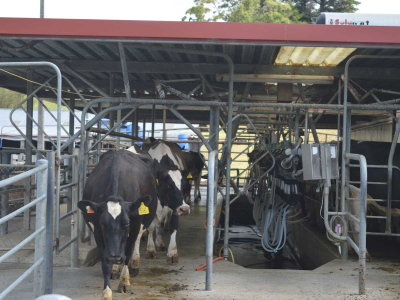 In December 2019, the co-op collected 0.6% less milk than in December 2018.
Dry weather in some parts of the country is beginning to affect milk production, says Fonterra.
In December 2019, the co-op collected 184 million kgMS from farmer suppliers: 0.6% down for the same month in 2018, according to its monthly global dairy update.
Season to date collection was over 909m kgMS, 0.5% down on the previous season.
North Island milk collection in December was 106.4 million kgMS, down 2.5% on last December. Season to date collection was 564 million kgMS, down 0.4% on last season.
Fonterra says December weather had some impact on pasture quality in some northern regions, however grazing crops are doing well, and cow condition remain very good.
South Island milk collection in December was 77 million kgMS, up 2.2% on last December. Season to date collection was 345 million kgMS, down 0.6% on last season.
“Favorable weather conditions across Canterbury continued, allowing for excellent pasture growth rates,” it says.
Overall milk solids collection in NZ fared slightly better than Fonterra’s.
New Zealand milk production was down 0.5% on a litre basis (up 0.2% on a milk solids basis) in December compared to the same period in the prior year.
Four candidates have been confirmed for two director positions on Fonterra’s board.
A record farmgate milk price and strong global demand is laying the foundation for continued growth of organic dairy farming in New Zealand.
Waikato milk processor Tatua has again declared a record milk payout to farmer shareholders, leaving other processors in the dust.
Fonterra has unveiled its annual results for the 2026 financial year, posting $27 billion in revenue and close to $20 billion returned to New Zealand farmer owners and unit holders.
Fonterra Co-operative Group has confirmed the independently assessed candidates standing for election to its board in 2026.


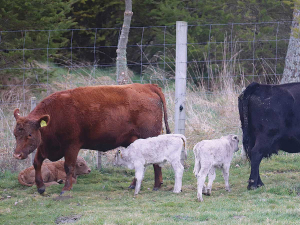
A major move is about to get underway to improve the quality and viability of dairy beef and cattle in NZ.
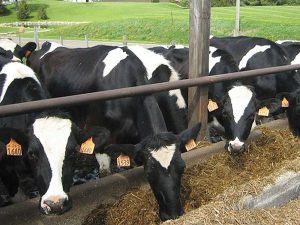
Veterinarians say changes to the code of welfare for dairy cattle provides a positive foundation for improved cattle welfare across the country.
Today, 15 October, is the International Day of Rural Women, which recognises rural women’s contribution to farming, communities and the environment.
Global dairy giant Lactalis has integrated its Australian operations with the Mainland Dairy consumer business it acquired from Fonterra earlier this year.
After almost two decades of sharemilking, saving and building equity, Aaron and Marcia Flay this year realised their long-held dream of settling on their first dairy farm.
Good medium to long term prospects for NZ beef, especially in the US, has heighted the focus on various initiatives to capitalise on this situation.


OPINION: It seems Canterbury processor Synlait is still in the doldrums.
OPINION: Get offside with New Zealand First leader Winston Peters at your own peril.




