
Fonterra CFO Andrew Murray Resigns
Fonterra Co-operative Group chief financial officer Andrew Murray has resigned to take up a role outside the dairy giant.




 increase font size
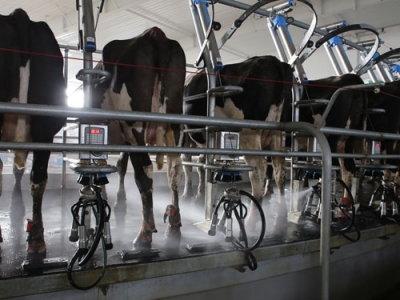
The latest dairy auction has seen the dairy index up for the second time in a row, in what will be a welcome result for dairy farmers.
The GDT price index rose 10.9% at last night’s auction, to US$2,226/MT.
The biggest gains were seen for Butter Milk Powder, which rose a massive 30% to an average price of US$1,829/MT.
Whole Milk Powder also gained ground, climbing 12.1% to US$2,078/MT.
Anhydrous Milk Fat and Skim Milk Powder were both up 11.7%, with average prices of US$3,029/MT and US$1,698/MT respectively.
Most other products also saw an increase, with Butter rising 8.1% to US$2,746/MT, followed by Rennet Casein up 6.3% with an average price of US$5,779/MT and Cheddar was up 4.7% to US$2,913/MT.
Lactose was the only product to lose ground, falling 4.0%, to an average price of US$483/MT.
The auction saw a total of 35,865 MT sold.
Fonterra Co-operative Group chief financial officer Andrew Murray has resigned to take up a role outside the dairy giant.

Four candidates have been confirmed for two director positions on Fonterra’s board.
A record farmgate milk price and strong global demand is laying the foundation for continued growth of organic dairy farming in New Zealand.
Waikato milk processor Tatua has again declared a record milk payout to farmer shareholders, leaving other processors in the dust.
Fonterra has unveiled its annual results for the 2026 financial year, posting $27 billion in revenue and close to $20 billion returned to New Zealand farmer owners and unit holders.



National’s pledge to introduce 19 new national standards shows the party is serious about getting Wellington out of farming, Federated Farmers says.
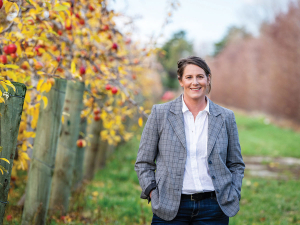
The National Party’s policies to make it easier to grow fresh vegetables, secure reliable water and energy and simplify farm planning are practical changes that will give growers the confidence to invest, according to Horticulture New Zealand (HortNZ).
Fonterra Co-operative Group chief financial officer Andrew Murray has resigned to take up a role outside the dairy giant.
A major move is about to get underway to improve the quality and viability of dairy beef and cattle in NZ.
Veterinarians say changes to the code of welfare for dairy cattle provides a positive foundation for improved cattle welfare across the country.
Today, 15 October, is the International Day of Rural Women, which recognises rural women’s contribution to farming, communities and the environment.



OPINION: It seems Canterbury processor Synlait is still in the doldrums.
OPINION: Get offside with New Zealand First leader Winston Peters at your own peril.




