
M.I.A.
OPINION: The previous government spent too much during the Covid-19 pandemic, despite warnings from officials, according to a briefing released by the Treasury.




 increase font size
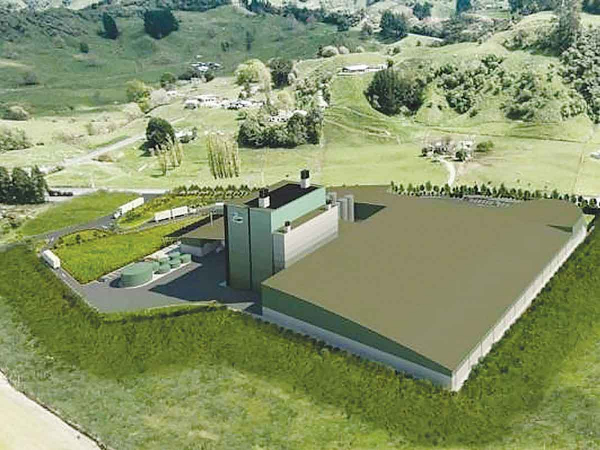
Waikato's newest milk processor says Covid-19 has slowed progress on the $280 million project.
Happy Valley Nutrition (HVN) is now hoping to receive first milk for processing in July 2022.
The ASX-listed company is in the process of developing a vertically integrated, nutritional grade milk processing, blending and packaging plant for infant milk formula and other nutritional products in Otorohanga.
HVN chief executive Greg Wood says while the global Covid-19 lockdown had understandably slowed the company’s progress, it did serve to highlight a growing demand for the manufacture and supply of safe, secure nutritional ingredients.
“New Zealand’s handling of the pandemic and status as a safe and dependable country with first-rate biosecurity has resulted in potential customers assessing their supply chains and looking to New Zealand.
“These insights and other evolving market signals have further strengthened the business case for HVN and we are very well-positioned to take advantage.”
HVN still plans to develop a single dryer facility with the site master-planned to allow for the addition of an extra drier as well as a blending and canning plant.
“By progressively adding these components we will be well positioned to reach our vision of becoming a trusted business-to-business supplier of consumer ready IMF and other nutritional products derived primarily from A2 and organic milk.”
An independent economic report stated that once the plant was operational the Waikato/King Country would see an incremental GDP increase of over $100 million annually, the equivalent of a total of 185 full-time jobs in the area.
“HVN is proud to sit at the forefront of a movement which will drive greater business opportunities locally, provide new opportunities for people in the Otorohanga area, and support local services,” Wood said.
“We look forward to continuing to work with the community and all stakeholders to create an enduring legacy for all our stakeholders through the production and delivery of safe, nutritious, premium New Zealand milk products to the world.
“We’re not just a milk company, we’re a nutrition company and our vision remains to become a trusted supplier of consumer ready IMF and other nutritional products primarily using A2 and organic milk.
“We are tracking well and our team have made meaningful progress towards maintaining the ability for us to achieve first milk from July 2022.”
OPINION: The previous government spent too much during the Covid-19 pandemic, despite warnings from officials, according to a briefing released by the Treasury.
OPINION: Labour leader Chris 'Chippy' Hipkins is carrying on the world-class gaslighting of the nation that he and his cohorts started after their disastrous Covid response; now trying to undermine the Covid inquiry to protect his own backside.
OPINION: Did former PM Jacinda Ardern get fawning reviews for her book?
OPINION: Welcome to the second annual NZ Dairy Expo at Matamata – an event created to bring together the best of the New Zealand dairy industry in a focused, grassroots environment where dairy farmers and rural professionals can meet, talk, compare products, and make smart decisions for their farms.
It's a bloody tough year for sheep farmers, but the worst may be over, and the future looks optimistic.


Safer Farms is urging farmers to make sure everyone working on farm has safe, suitable footwear for the job.
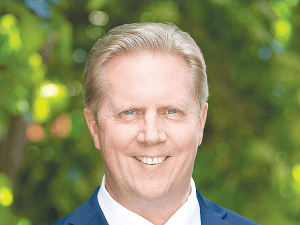
The Government is backing work on a community-led water storage scheme that could irrigate up to 11,000 more hectares of the Poverty Bay flats, Agriculture Minister Todd McClay says.
Agri-tech company Herd-i has become a new all-region sponsor of the New Zealand Dairy Industry Awards (NZDIA), the largest nationwide celebration of excellence in the dairy sector.
Four candidates have been confirmed for two director positions on Fonterra’s board.
Returning to the family dairy farm after playing 20 years of professional rugby around the world is no easy task.
After delivering another record farmgate milk price to 100 supplying farms, independent milk processor Tatua is entering thee new financial year with a positive outlook.



OPINION: It seems Canterbury processor Synlait is still in the doldrums.
OPINION: Get offside with New Zealand First leader Winston Peters at your own peril.




