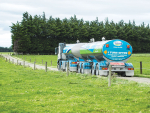
Fonterra Board Pay Rise: Chair Fee Up to $528,500
Fonterra board members are in line for a pay rise of around 3%.




 increase font size
 Outgoing Fonterra Shareholders Council chairman Duncan Coull.
The Fonterra Shareholders Council doesn’t have the powers to act as second board of directors for the co-op, says outgoing chairman Duncan Coull.
“A number of our shareholders would want us to be something we are not -- a second board,” he told a session of the co-op’s Governance Development Programme in Auckland last week.
Coull says unfortunately not all farmer shareholders understand the limited authority the council has in Fonterra: monitoring how the board is increasing returns to shareholders and growing shareholder value.
He says the council’s primary role is to represent the interests of supplying shareholders to the board through its constitutional function.
It does this by representing its farmers’ views to the board, monitoring board performance through the statement of intentions and ensuring the cooperative principles are preserved
The council is facing criticism from some shareholders for the co-op’s poor financial performance.
A lot of shareholders hold councillors accountable for performance of the board.
But Coull says the council isn’t ahead of the decisions made by the board; “we are behind the decisions”.
“It makes it very hard for us as a council to influence those board decisions.
“A fair question is to ask ourselves how effective we have been in delivering these functions.
“The other question we have and need to reflect on is whether we are monitoring the right things.
“The Statement of Intent monitors output which is past tense by the time we report.
“In my view, Council would be more effective monitoring culture and behaviours within the organisation. If our behaviours are right then performance has a greater chance to succeed.”
Future leaders
The Fonterra Governance Development Programme is a one-year programme, running since 2006.
It helps develop a pool of prospective future rural leaders, providing a stepping stone to leadership and governance roles in the industry.
It’s open to Fonterra shareholders and herd-owning sharemilkers. A few places are also available for members of other co-ops like LIC, Foodstuffs and Silver Fern Farms.
It is a joint initiative of Fonterra’s board and the Shareholders Council and facilitated by Massey University’s College of Business.
Fonterra board members are in line for a pay rise of around 3%.
Fonterra shareholders can begin voting on Tuesday 20 October in the 2026 Board of Directors’ election, a Co-operative Council election in one Ward, and seven Annual Meeting resolutions.
Fonterra Co-operative Group chief financial officer Andrew Murray has resigned to take up a role outside the dairy giant.
Four candidates have been confirmed for two director positions on Fonterra’s board.
A record farmgate milk price and strong global demand is laying the foundation for continued growth of organic dairy farming in New Zealand.


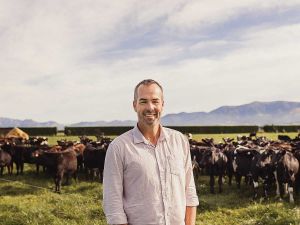
For Canterbury dairy farmer Cameron Henderson, supporting Meet the Need comes down to a simple question: how can the success of New Zealand farming benefit more than just those within the industry?
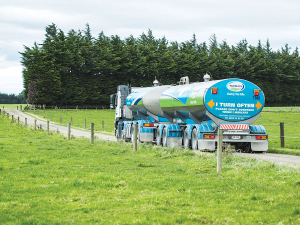
Fonterra board members are in line for a pay rise of around 3%.
Dairy processors are ready to further boost New Zealand’s export earnings but want the incoming government to match their ambition with good policy.
Massey University is best placed to solve the “problems” facing the dairy industry, says vice chancellor, Pierre Venter.
Synlait's longest serving employee – a man who joined the Canterbury-based milk processor even before it began processing milk – is now its newest executive.
A dairy industry leader believes eradicating the common and costly disease, Bovine Viral Diarrhoea (BVD) is within reach.


OPINION: It seems Canterbury processor Synlait is still in the doldrums.
OPINION: Get offside with New Zealand First leader Winston Peters at your own peril.




