BNZ and Pāmu Launch New Native Forest Revenue Model for New Zealand Landowners
Bank of New Zealand (BNZ) and Pāmu (Landcorp Farming Limited) have developed a new way for landowners to earn revenue from existing native forests.




 increase font size
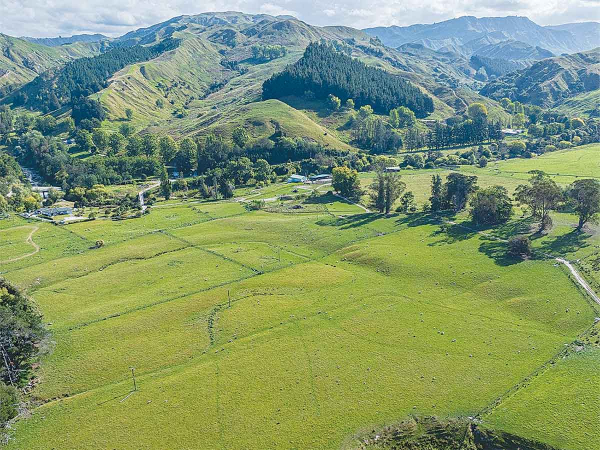
Bank of New Zealand (BNZ) says it is backing aspiring dairy farmers through a new initiative designed to make the first step to farm ownership or sharemilking easier.
The bank's First Farm proposition, announced today, could help lower barriers to entry for first-farm buyers or those looking to buy their first dairy herd by reducing deposit requirements.
The initiative also pairs every approved customer with an experienced farmer mentor for their first two seasons. This will help ensure their first steps into farm ownership or sharemilking are a success.
Dave Handley, BNZ's general manager agribusiness and corporate banking, says farmers are the backbone of the country's rural communities and contribute significantly to the economy.
“For many young farmers, getting their first foothold on the farming ladder is very challenging. First Farm is about bridging that gap by making ownership more achievable,” says Handley.
“And this isn’t only about finance. Every farming customer participating in our First Farm programme will be matched with an experienced farmer mentor who has been through the highs and lows of herd or farm ownership and knows what it takes to make a farming business succeed.
"Every mentor-mentee relationship will be slightly different. But the one-on-one support from a proven operator in key areas such as business planning, budgeting, cashflow, governance, and people decisions will make a real difference from day one. Having someone in their corner with that hard-won experience, generously shared, will really make a difference for our industry participants.”
First Farm matches mentors and mentees by region and experience, provides toolkits and discussion guides, and check-ins at key milestones so the relationship gets the attention it deserves.
“First Farm is also about helping to address the challenge of farm succession,” says Handley.
“Industry surveys show only one third of New Zealand farmers have a formal succession plan in place. We know there are opportunities to make the next step into ownership more straightforward for the next generation while ensuring valuable farming knowledge isn’t lost.
“First Farm does both through more accessible bank funding and structured mentorship which connects experienced farmers with those striving to purchase their first farm or herd, making the transition between generations both more attainable and sustainable,” says Handley.
First Farm is available across the country to eligible first-time dairy farm buyers and those purchasing their first dairy herd for sharemilking.
While initially focused on dairy, BNZ plans to offer similar initiatives to other agricultural sectors in the future.
To enquire about how First Farm can help you, visit https://www.bnz.co.nz/business-banking/partners/agribusiness.
Bank of New Zealand (BNZ) and Pāmu (Landcorp Farming Limited) have developed a new way for landowners to earn revenue from existing native forests.

Bank of New Zealand (BNZ)will expand its First Farm support with a new funding boost designed to help more farmers and growers take their next step into farm ownership.
OPINION: NZ First knows its market and feeds it a constant diet of how ‘good’ the good old days were, promising to resurrect policies and icons of a bygone era.
The chance of a $10-plus milk price for this season appears to be depleting.
BNZ says its new initiative, helping make the first step to farm ownership or sharemilking a little easier, is being well received by customers and rural professionals.


Federated Farmers has welcomed new rural policies released by ACT, saying they align closely with its own election priorities.
Rural Contractors NZ says proposed changes to land transport rules for agricultural vehicles are a welcome response by the Government to out of date regulations which have seen members hit with huge fines.
Alliance is calling for final applications for its 2027 Graduate Programme, with applications closing on Sunday 25 October.
Decades piloting planes has ensured vet and farmer David Hayes is focused on safety. So, after a serious accident while welding on farm, he is sharing his experience so others can learn from it.
Canterbury milk processor, Synlait Milk has confirmed Leon Fung as its chief executive officer.
OPINION: Making it easier to collect rainwater and use it to grow crops and livestock is a no brainer.

OPINION: It seems Canterbury processor Synlait is still in the doldrums.
OPINION: Get offside with New Zealand First leader Winston Peters at your own peril.




