
Labour Vows to Change Tact on How to Handle Freshwater Rules
A Labour-led Government won’t be bringing back the controversial freshwater rules of 2020.




 increase font size
 Labour Party spokesperson for Rural Communities, Jo Luxton.
OPINION: Last week, Education Minister Erica Stanford sent a clear, but troubling message to New Zealand’s students: if you’re academically ambitious, agriculture might not be for you.
In her announcement on the “future-focused” curriculum, she removed Agricultural and Horticultural Science as a standalone senior secondary subject.
Thankfully, we now hear that after a strong backlash the Minister has backtracked, pledging to keep Agricultural and Horticultural Science in schools in addition to a vocational pathway. But her poor process and the lack of meaningful consultation reveal the Minister’s intentions that she would push through her agenda regardless of concerns raised by educators and the agriculture sector.
Narrowing curriculum pathways to the agricultural industry is a mistake - for several key reasons.
First, New Zealand’s future agricultural workforce requires more than farmers. We need wrap-around people too, those working in science labs, agribusiness, policy, or technology. Without a standalone pathway in Agricultural and Horticultural Science, some students might look to pursue other fields, directly impacting our future workforce.
Second, many urban schools don’t currently offer the vocational agricultural pathways, and they can only get exposure through that curriculum pathway. This means some students would lose the opportunity to learn about an entire sector simply because of where they live or what their school offers.
And third, in the Central North Island, we’re hearing that demand for agricultural courses is higher than ever, sometimes even outpacing traditional sciences. This tells us something important about how students see agriculture’s relevance in their future.
The future of agriculture extends far beyond the farm gate. It’s in laboratories, boardrooms, policy offices, and tech startups. It’s about building sustainable food systems, tackling big problems associated with climate change, and increasing our global exports. Students all over New Zealand, both rural and urban, should have access to these pathways, and education is the foundation that makes it possible.
What’s more, the decision to remove agriculture as a stand-alone curriculum subject came out of the blue. Educators and industry leaders were blindsided by the change. Some were even consulting on Level 1 curriculum options, but there was no indication that the subject might be removed entirely. And with only five days remaining for submissions on the proposed NCEA changes when the news broke, it only added insult to injury. It’s all disappointing, because education should always be about expanding opportunities, not closing doors.
This isn’t just about a school subject; it’s about respect for a vital sector and our next generation. The Ministers in this Government are detached from the realities on the ground and are making disconnected policy decisions in silos.
If National truly believes in growing the future of farming, exports, and rural innovation, they need to start listening and engaging in meaningful consultation. Our students, teachers, and the entire sector deserve better than to be left on edge, forced to scramble in defense of their sudden decisions.
Jo Luxton is Labour Spokesperson for Agriculture, Biosecurity and Rural Communities.
A Labour-led Government won’t be bringing back the controversial freshwater rules of 2020.

Federated Farmers says it welcomes Labour's commitment to reviewing the Sharemilking Agreements Act, calling on other major parties to do the same.
It was billed as a chance for all the political parties to woo the rural vote, but question marks hang over just how effective this was.
Kaikōura families affected by July's severe storm have found a practical solution to a problem that's kept some children away from regular schooling for weeks: a washed-out section of Inland Kaikōura Road, which has stopped the local school bus from running its usual route.
Special courses for secondary school teachers to help excite kids about agriculture and horticulture are now being run at Massey University.


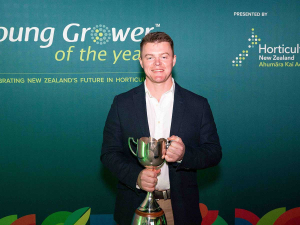
The potato industry is celebrating the success of two rising stars - James Blair, the 2026 Young Grower of the Year and runner-up and innovation award winner, Amber Davy.
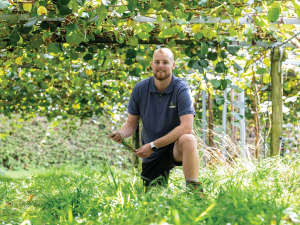
Twenty-eight emerging leaders from across the horticulture sector spent two days last month learning valuable skills and connecting with industry experts.
There are five entrants in this year’s Young Horticulturist of the Year, competing in a series of technical, practical, business and leadership challenges.
A seasoned horticulturist has been appointed to deliver the Apple Action Plan, a key initiative of the India-New Zealand Free Trade Agreement.
New Zealand's citrus growers have been told to compete on the value built into their fruit rather than the volume they grow.
Hawke's Bay fruit growers are being reminded of the need to prepare for whatever the El Niño weather system may bring in the coming months.




OPINION: The same mainstream media muppets that brought you Jacindamania in 2017 have been flat out pimping for the Opportunities…
OPINION: Your old mate reckons the atrocious way farmers in the UK are treated by their lords and masters in…