Daniel Eb Defends Opportunity's Approach to Rural NZ
The Opportunity Party has faced criticism during the election campaign that its policies are too urban-focused and offer little for rural communities.




 increase font size
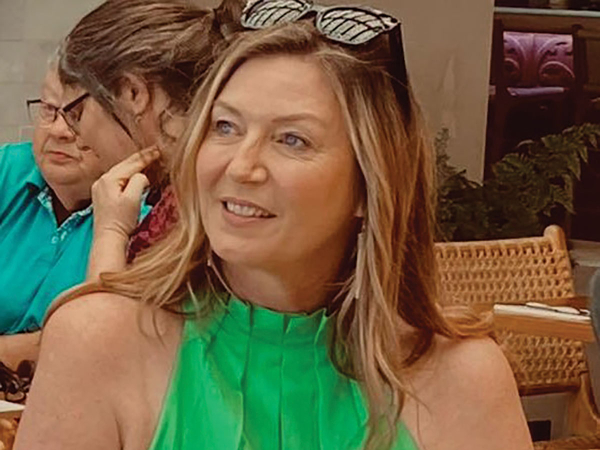 Jo Luxton
OPINION: Many Kiwis know that the decisions we make today will shape our future for years to come. With the election now announced for 7 November, the country faces a critical question: What choice will we make for our future?
When the Prime Minister suggests we shouldn't expect much from them this election year, it implies New Zealand can't afford the clear-eyed thinking needed to secure a sustainable, productive future.
But the suggestion that we can't afford to invest in key infrastructure projects or job creation is an argument we must push back on. And cutting public spending and selling assets also undermines our region's long-term success. Because the question isn't whether we can afford these investments, but it's whether we can afford not to make them.
Between 2017 and 2023, Labour backed rural communities. We opened new export opportunities and market access, and we invested in research and development to improve productivity. At the same time, we worked with farmers to improve waterways and address climate change - and protecting rural communities for the future. With nearly one third of Canterbury's rivers deemed unsafe for swimming this summer, Labour's values are more relevant now than ever.
We:
When in government, we provided a clear direction to lay the foundation for a stronger future, and our rural communities need that vision to continue.
As we approach the 2026 election, Labour remains focused on what matters most: real action on the cost of living, creating decent jobs, and making healthcare and housing affordable for all New Zealanders. But we’ll do more than just meet our priorities. We’ll support farmers to build a stronger, more resilient rural economy. As we look ahead to 2026, we must ask ourselves: Do we really want to continue to follow a party that looks for excuses to delay a better future?
Jo Luxton is Labour’s spokesperson for agriculture.
The Opportunity Party has faced criticism during the election campaign that its policies are too urban-focused and offer little for rural communities.

OPINION: In politics, credibility is and should be big. It must surely rank higher than charisma, which is quite trite and superficial. Yet, voters nowadays are often wooed and influenced by how someone looks or talks at a superficial level. TV plays a huge role in this.
When Northland farmer Mark Cameron entered parliament six years ago, the Beehive was a lonely place.
I think it's going to greatly weaken National at the election. That's the view of a former senior National MP on the recent attempted coup against Prime Minister Christopher Luxon.
OPINION: Flicking through some global news headlines just recently, I spotted something tucked away, which in my opinion rather conveniently had less visibility than it deserved.

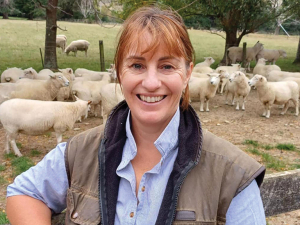
B+LNZ's Wormwise veterinarian Mary Bowron has won the Best Sheep and Beef Vet of the Year Award in recognition of her outstanding contribution to New Zealand’s sheep and beef sector.
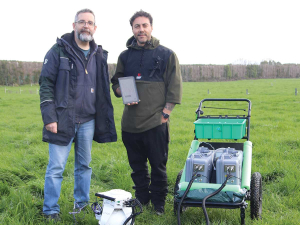
Researchers at Massey University are using a special piece of scientific equipment to improve the measurement of greenhouse gas emissions from pasture soils.
More signs of a booming kiwifruit sector.
OPINION: David Seymour and James Meager's plan to make it easier for farmers and orchardists to operate drones can best be described a 'courageous' move.
New Zealand wool is reaching new heights as air filtration companies move away from synthetic products to biodegradable alternatives.
Opuha Dam's ability to protect South Canterbury communities from major flooding has taken a significant step forward, with Opuha Water Limited (OWL) successfully commissioning a new outlet valve capable of releasing record volumes of water from the dam ahead of a weather event.

OPINION: After hogging the media limelight for telling a NZ Chinese MP to "go back home", Winston Peters has decided…
OPINION: With fuel prices soaring, one would have expected most farmers to be reclaiming excise duty on petrol.