OPINION: It's pretty easy to poke fun at Generation Z.
You’ve probably heard the usual stereotypes: they’re on their phones too much, they hop between jobs, they expect too much too soon. In agriculture these stereotypes can be even more pronounced.
Some believe that young people don’t want to get their hands dirty or stick with the long hours that our farms demand. Yet when we look a little closer at who Gen Z truly are and what they value, a very different picture emerges. This is a generation equipped with the skills that agriculture needs, perhaps more than we have yet appreciated.
The changing farmer landscape
Farming has changed dramatically from past generations. Our grandparents farmed with smaller operations, fewer regulations, and a more predictable sense of what was expected. My grandfather milked 20 cows, my father milked 100 cows, and today, many farms have thousands of cows.
The landscape is also more complex. Climate risk looms larger, technology moves quicker, margins feel tighter and export markets are continuously in flux, which means we need smarter farming, not just tough farmers. Innovation is no longer optional. The next step forward in sustainable food production will come from those who combine practical know how with an instinct for problem solving and a comfort with change. And that fits Gen Z perfectly.
Who is Gen Z?
So, who exactly are we talking about? Gen Z are those born from 1997 through to 2012. They grew up in a world shaped by technology and constant disruption. For them, uncertainty is normal. This has made them not only flexible and resilient, but also unafraid to question how things have always been done.
They search for answers, investigate ideas, and want to understand the reason behind decisions. They prefer collaboration over hierarchy, transparency over tradition, and purpose over status.
They also want their work to mean something. A 2023 Deloitte survey found that 49% of Gen Z workers would quit within two years if dissatisfied with company values or work-life balance, compared to 41% of Millennials and 33% of Gen Xers.
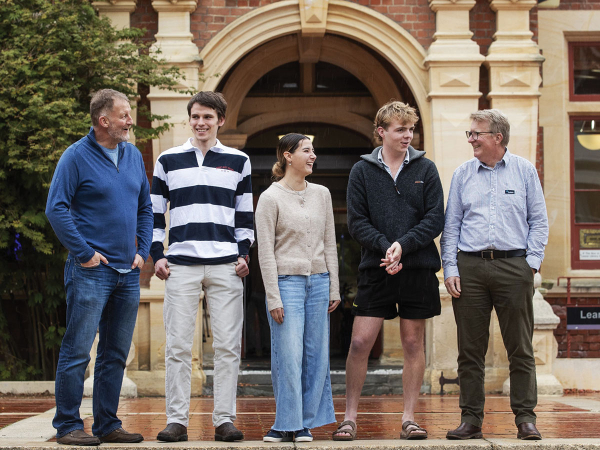
I’ve already seen what Gen Z bring when given the opportunity. Ballance’s support of the Lincoln University student innovation challenge earlier this year offered a glimpse of the next wave of thinkers. The ideas that came through were practical, creative, and very sophisticated for first year students. These are not young people waiting for permission; they’re young people ready to solve problems.
But what really sets Gen Z apart is their effortless use of technology. Many of them are already well-versed in AI tools, mobile apps, and precision techniques.
Some are creating startups that support farmers. Others are focused on climate solutions or new ways to connect rural stories with urban audiences through social media. Far from being distracted by devices, they see technology as a tool to make work smarter, more sustainable and accessible.
Their influence
They’re also shaping future food systems as consumers. Gen Z have been called ‘food culture disruptors’ who look toward a future of food that is smart, sustainable and socially aware.
These trends influence markets and open new opportunities for farmers who adapt early.
Time to embrace Gen Z
Of course, Gen Z are not perfect – no generation is. Some may also challenge our thinking or ask questions that make us uncomfortable. But that curiosity is exactly what agriculture needs to stay competitive and resilient.
I believe that the future of farming looks bright. Not because it will be easy, but because the next generation is ready to tackle the hard problems with creativity and practicality. It’s now up to us Millennials, Gen Xers, and Boomers to welcome them in, listen to their ideas and more importantly, make room for them. If we do that, the next chapter of agriculture will be smarter and better equipped for the challenges ahead.
And for those, like me, who prefer to be optimists, I reckon that’s something worth getting excited about.
Jason Minkhorst is Ballance Agri-Nutrients general manager of customer