Editorial: Making Water Storage Easy
OPINION: Making it easier to collect rainwater and use it to grow crops and livestock is a no brainer.




 increase font size
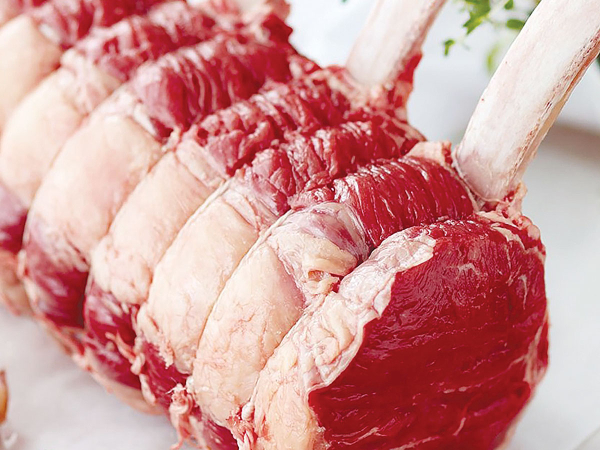 Australia’s much higher domestic consumption adds resilience to their lamb market, as strength in domestic retail trade can help balance out global demand dynamics and associated price volatility.
OPINION: Putting more lamb on Kiwi dinner plates is one way to boost returns to farmers.
This is one of the three actions recommended by a Rabobank report to create more consistency in earnings along the supply chain.
The challenge for the red meat sector's marketing arm is to increase per capita consumption of lamb to Australian levels. That one achievement would propel the domestic market behind only China in terms of overall consumption of New Zealand sheepmeat.
According to the report, the majority of New Zealand lamb is exported, and over the past five years, New Zealand's domestic consumption has averaged just 5% of total population.
Domestic consumption is limited by population size, but at 1.95kg, New Zealand per capital consumption is not even one-third of Australia's 6.4kg, as stated by 2023 OECD data.
Australia's much higher domestic consumption adds resilience to their lamb market, as strength in domestic retail trade can help balance out global demand dynamics and associated price volatility.
The report says what our Aussie cousins have done well to support domestic consumption is to promote Australian lamb quality and nutritional value. New Zealand has pushed these messages in the past, but an opportunity exists for industry bodies to invest in marketing the New Zealand lamb story to reposition lamb in the eyes of local consumers, it says.
So, why is NZ lamb not hitting Kiwi plates more often?
According to the OECD, domestic consumption of other proteins such as pork and poultry has increased significantly and a major drive towards export markets for lamb may have contributed to higher prices domestically.
The challenge for Beef + Lamb NZ Inc is clear - convince Kiwis to eat more lamb.
Our Aussie cousins are experts at this. Let's take a leaf out of their book and try similar campaigns here. More lamb consumption in NZ means better returns for our hardworking sheep farmers.
OPINION: Making it easier to collect rainwater and use it to grow crops and livestock is a no brainer.
OPINION: New health and safety guidance unveiled by the Government recently provides farmers greater certainty about what is expected of them when managing risks on farm.
Twenty-eight emerging leaders from across the horticulture sector spent two days last month learning valuable skills and connecting with industry experts.
OPINION: Have a plan in place now!
A 'tsunami' of milk from key exporting countries is winding down and this may be good news for New Zealand dairy farmers.



Federated Farmers has welcomed new rural policies released by ACT, saying they align closely with its own election priorities.

Rural Contractors NZ says proposed changes to land transport rules for agricultural vehicles are a welcome response by the Government to out of date regulations which have seen members hit with huge fines.
Alliance is calling for final applications for its 2027 Graduate Programme, with applications closing on Sunday 25 October.
Decades piloting planes has ensured vet and farmer David Hayes is focused on safety. So, after a serious accident while welding on farm, he is sharing his experience so others can learn from it.
Canterbury milk processor, Synlait Milk has confirmed Leon Fung as its chief executive officer.
OPINION: Making it easier to collect rainwater and use it to grow crops and livestock is a no brainer.




OPINION: The same mainstream media muppets that brought you Jacindamania in 2017 have been flat out pimping for the Opportunities…
OPINION: Your old mate reckons the atrocious way farmers in the UK are treated by their lords and masters in…




