
NZ Milk Price Could Hit $10/kgMS as Global Supply Eases
A 'tsunami' of milk from key exporting countries is winding down and this may be good news for New Zealand dairy farmers.




 increase font size
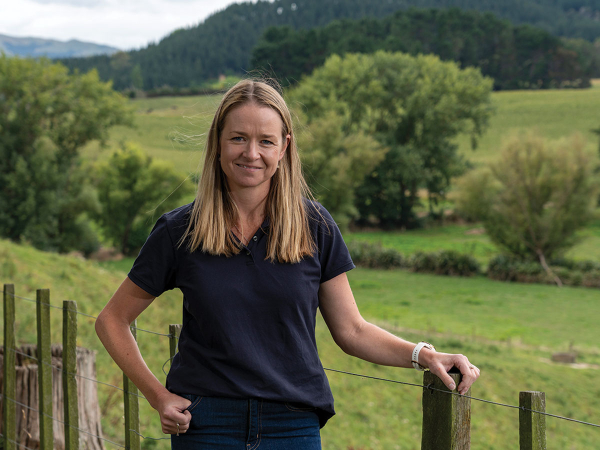 RaboResearch senior agricultural analyst Jen Corkran expects global beef production to reduce 3% for 2025.
With production volumes contracting in most major beef-producing regions, global cattle prices have continued to rise across recent months.
That's according to Rabobank's recently released Q3 Global Beef Quarterly report. It says reductions in production volumes in Europe, New Zealand, Brazil and the US contributed to a 2% fall in global beef production for the first half of 2025, helping to increase global cattle prices through Q2.
While Australia and China saw beef production increases of 10% and 4% for the first half of the year, RaboResearch senior agricultural analyst Jen Corkran said global production was still expected to reduce 3% for 2025.
"Northern hemisphere countries continue to stand out at record prices, but US and Canada prices have moderated in recent weeks, suggesting some of the heat is slightly reducing this market.
"Meanwhile, prices in southern hemisphere countries continue to increase. Reduced volumes in the North American market, plus a slight improvement in the Chinese market, have generated stronger demand for southern hemisphere beef suppliers - and we're continuing to see this strong demand flow through to cattle prices."
Brazilian beef exports to the US through July 2025 were 94% higher than the same period last year, partly due to the latest round of US tariffs - announced July 31 but not implemented until August 6 - encouraging Brazilian exporters to frontload volumes before the deadline which brought total tariffs on Brazilian beef to 76.4%.
Nearly a month after, shipments remain strong in a year-over-year comparison through to the fourth week of August 2025, remaining stable even after the tariffs took effect.
Corkran said projections of rising live cattle prices in Brazil may explain the current appetite from American importers for Brazilian beef.
"US imports from Brazil may drop an estimated 10,000 metric tonnes (mt) to 15,000mt per month as we progress through the remainder of the year. Coincidentally or not, the tariffs came into effect at the end of the US domestic peak consumption period from May to August. This timing may also see reduced demand from US buyers of Brazilian exports."
"August saw the announcement of a 15% tariff on NZ beef entering the US. As Australian beef continues to face only a 10% tariff, this poses a competitive challenge. Nonetheless, strong US demand for NZ lean trimmings supports a positive outlook for farmgate prices in the second half of 2025."
The US remains New Zealand's leading market, absorbing 40% of total volume whilst China accounted for 24%. Canada saw a 54% Q2 year-on-year volume increase to 11,345mt.
Following what was a steady Q1 performance, New Zealand's Q2 beef production saw volume dropping 16.6% year-on-year to 177,0000mt. Given limited cattle availability across the country, Corkran said the decline aligns with expectations.
"NZ Meat Board data shows national cattle slaughter fell 15% in head count year-on-year, totalling just over 700,000 head comparted to more than 840,000 head in Q2 2024.
"The breakdown reveals a 14% drop in bull beef, a 15% decline in cull cow numbers and a significant 20% reduction in steer slaughter."
Looking ahead, Q3 production is forecast to reach just under 118,000mt, representing a further 5% decline. Corkran said that RaboResearch maintains its full-year outlook of a 4% to 5% year-on-year drop in total beef slaughter numbers.
"Final production volumes will hinge on pasture conditions through spring and average carcass weights during the lower-volume quarter period. New Zealand is expected to process fewer bobby calves this year, which will increase beef production in two years' time."
In line with reduced production, New Zealand's total beef export volume fell 11% year-on-year Q2 2025, to 129,670 metric tons. Despite this, export values increased 7% to $1.432 billion, driven by strong global demand and firmer pricing.
The quarter also included a new record average export value of $11.17/kg Free On Board (FOB) in April, followed by a new $11.20/kg FOB in July.
A 'tsunami' of milk from key exporting countries is winding down and this may be good news for New Zealand dairy farmers.

Chinese beef trade quotas and a looming suspension of Brazilian beef imports into the European Union are expected to reshape global beef trade flows over the remainder of 2026, with implications for New Zealand exporters, according to Rabobank's Q3 Global Beef Quarterly report.
New Zealand consumers are paying more for beef mince than ever before, with the average retail price now sitting above $24 per kilogram, according to Rabobank.
West Otago dairy farmer Luke Kane has been awarded the 2026 Rabobank Dr John Morris Business Development Prize.
The avocado sector is entering the new season with a larger crop and positive market opportunities.


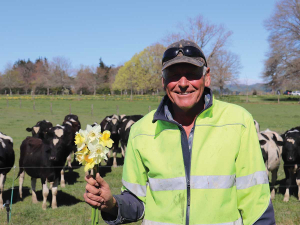
South of the central Hawke’s Bay town of Waipukurau is Taniwha Station – a highly successful 550ha bull beef farming operation.
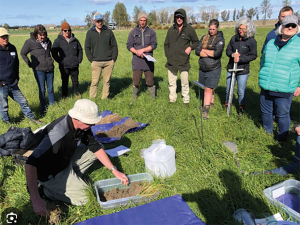
Beef + Lamb NZ funded research has shown that some simple changes to pasture management could help farmers make better use of rainfall and build resilience before dry conditions hit.
OPINION: There could hardly be a more appropriate theme for a conference than the one chosen by the red meat sector - Navigating Volatility.
When Northland leather worker Vernon Suckling started making horse saddles 50 years ago, quad bikes and side-by-side vehicles were unheard of.
Alliance Group has confirmed that eligible farmer-shareholders who supply and continue to back the business will receive up to $20 million later this year, following the strategic investment partnership with Dawn Meats.
With a general election under five weeks away, Rural News is asking major political parties about their policies and positions on key issues facing the primary sector. We will run their responses to each question over the next four weeks. The ACT Party and the Greens didn't respond in time.





OPINION: The same mainstream media muppets that brought you Jacindamania in 2017 have been flat out pimping for the Opportunities…
OPINION: Your old mate reckons the atrocious way farmers in the UK are treated by their lords and masters in…




