OPINION: Forestry is not all bad and planting pine trees on land that is prone to erosion or in soils which cannot support livestock farming makes sense.
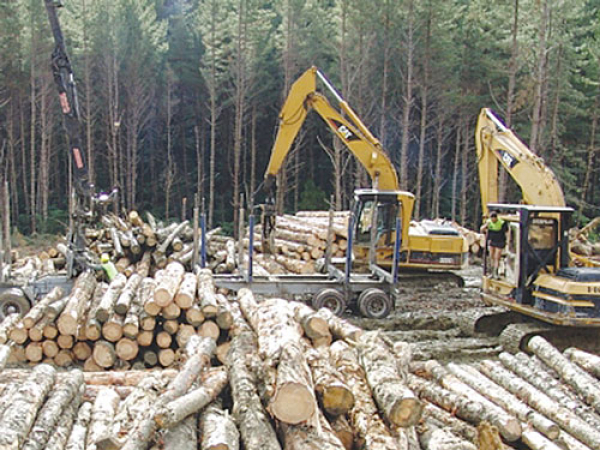
And yes, production forestry does make a significant contribution to the country, but at what price? Just picture the devastation caused by forestry slash on the East Coast during Cyclone Gabrielle.
Also note the comments of former Feds president Bruce Wills - the damage by forests to neighbouring pastoral farms in the form of broken fences, the invasion of pests such as deer and possums and the fire risk. By all accounts many forestry owners go bush when it comes to paying for the damage and cost incurred on their pastoral neighbours.
The other big problem highlighted by Whanganui Feds boss Ben Fraser is deeply worrying. The advent of planting forests for carbon credits provides almost no benefits to local rural communities. 'Lock up and leave' is not a bad description of farming for carbon credits because it provides little or no ongoing employment, unlike pastoral farming which offers jobs on farm and employment to a raft of people in the community.
The government claims to be putting the brakes on carbon farming, but they are not doing enough, say farming and community leaders. Drive down just about any country road and you will see large tracts of hill country where once was, and still should be, the home of our ewe flocks producing export lambs, which is now sprouting little or bigger pine trees for what purpose?
The heart of the problem seems to be the misinterpretation of the land use capability (LUC) system, closely followed by a complete lack of common sense and understanding of NZ’s soils and land.
The LUC system is quite prescriptive and inflexible and fails to recognise what the human eye can see in terms of what is the best use of land.
Read More:
If urgent decisive action is not taken by the government now, Godzone will change from being known as Ewe Zealand to now maybe New Treeland.