
Strong wool market shows signs of recovery after prolonged slump
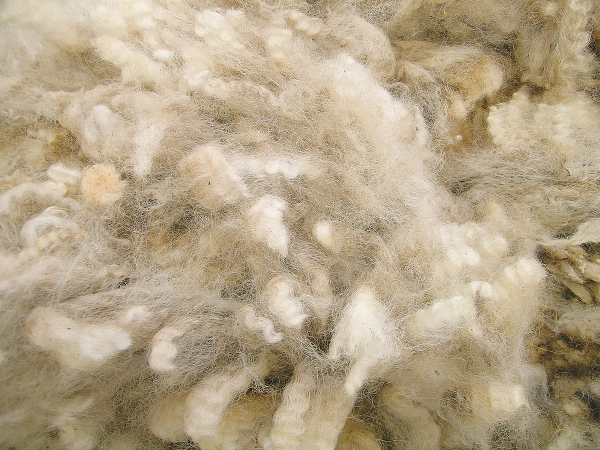
The strong wool market has improved in the past six months, despite drops in production over recent years.




 increase font size
The New Zealand Merino Company (NZM) is expanding its collaboration with TextileGenesis to deliver full traceability for 100% of ZQ certified wool and ZQRX regenerative wool.
The move is said to give brand partners further verified farm-to-product data, enabling authenticated sourcing claims.
The expansion builds on a successful pilot with three global brands, building on ZQ’s track record of traceability and transparency, and marks a major step forward in aligning ethical and regenerative wool sourcing with digital traceability at scale.
Using TextileGenesis’s proprietary Fibercoin™ technology, the solution creates a secure, end-to-end digital chain of custody for all ZQ and ZQRX wool – from farm to finished product.
With this expansion, traceability will be provided as a standard feature for all brand partners sourcing ZQ and ZQRX wool, with no additional cost.
In the coming months, NZM brand partners will be invited to set up access to the TextileGenesis platform.
Henry Tallott, NZM's general manager integrity systems, says the expansion marks a step-change in how regeneratively grown and ethical wool is tracked and trusted.
“Brands working with ZQ and ZQRX wool now have access to real-time, verified supply chain data – helping them meet rising consumer and regulatory expectations," Tallott says.
ZQ and ZQRX represent NZM’s commitment to the highest standards of animal welfare, environmental care, and grower wellbeing.
ZQ and ZQRX wool are only supplied via direct contracts and approved supply chain partners. ZQ has always been fully traceable, offering visibility back to the supplying farm via a manual chain of custody traceability model. Now, with digital traceability embedded across 100% of ZQ and ZQRX wool supply, NZM is enabling brands to validate their sourcing practices with precision and transparency.
"Traceability underpins every claim our customers make about their sourcing," says Tallott. "By embedding Textile Genesis' technology across all ZQ and ZQRX fiber, we're not just meeting expectations - we're raising the bar."
"This ensures growers are visible and valued, while brands get the data they need to support credible product claims."
NZM says the expansion responds to growing industry and regulatory expectations around material traceability, including upcoming frameworks like the EU Digital Product Passport and global greenwashing laws.
By making traceability the default, NZM and TextileGenesis are setting a new benchmark – where traceable sourcing is the baseline, not the exception.
“New Zealand Merino is leading the way in aligning regenerative sourcing with digital traceability at scale,” says Amitr Gautam, founder and chief executive of TextileGenesis.
“Together, we’re building a more resilient, transparent wool supply chain – one that empowers growers and gives brands the verified data they need.”
The strong wool market has improved in the past six months, despite drops in production over recent years.
The first phase of a Ministry for Primary Industries (MPI) investigation into allegations of mistreatment of sheep connected to shearing practices has been completed.
Animal rights protest group PETA is calling for Agriculture Minister Todd McClay to introduce legislation which would make it mandatory to have live-streaming web cameras in all New Zealand shearing shed.
The New Zealand Merino Company (NZM) says it will investigate claims of animal cruelty made by animal rights group PETA.
OPINION: It seems wokeness is now well and truly infecting the brains trust at The New Zealand Merino Company, which now wants farmers to give lambs pain relief during tail docking.


Dairy processors are ready to further boost New Zealand’s export earnings but want the incoming government to match their ambition with good policy.
Massey University is best placed to solve the “problems” facing the dairy industry, says vice chancellor, Pierre Venter.
Synlait's longest serving employee – a man who joined the Canterbury-based milk processor even before it began processing milk – is now its newest executive.
A dairy industry leader believes eradicating the common and costly disease, Bovine Viral Diarrhoea (BVD) is within reach.
A farmgate milk price of $10/kgMS this season is firming up as milk powder prices soar and the New Zealand dollar weakens.
Federated Farmers has welcomed new rural policies released by ACT, saying they align closely with its own election priorities.


OPINION: The same mainstream media muppets that brought you Jacindamania in 2017 have been flat out pimping for the Opportunities…
OPINION: Your old mate reckons the atrocious way farmers in the UK are treated by their lords and masters in…




