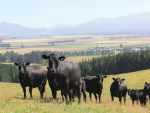
BVD Control Begins Long Before You See A Problem
Bovine Viral Diarrhoea (BVD) is sometimes viewed as a dairy industry issue, but the reality is that the disease can have serious consequences for beef breeding herds as well.




 increase font size
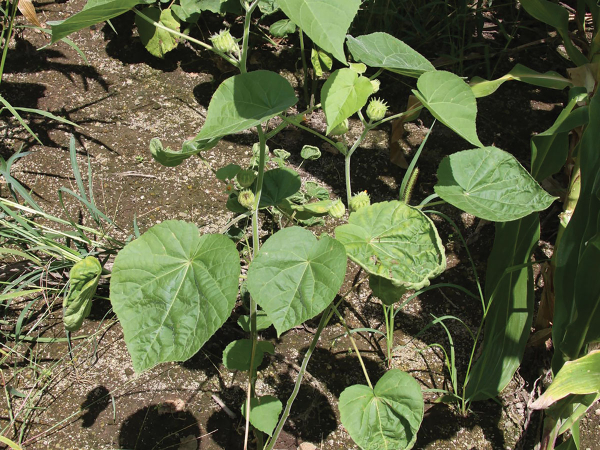 This 2025-26 season looks to have been a good one in regard to velvetleaf management.
Classified as an unwanted organism under the Biosecurity Act, the invasive weed velvetleaf can be resistant to many herbicides, making it difficult to control, while statistics note it has the potential to reduce yields by up to 70%.
This 2025-26 season looks to have been a good one in regard to its management, with most properties with incursions in the North Island maintaining good control.
As has been reported earlier, while there has only been one new find of velvetleaf this season, it is a cautionary reminder that while velvetleaf incursions are being well managed, there is always a risk of a new incursion for anybody on any property.
It appears that the new incursion in the Auckland region has come from feed bought in from a property with a known incursion in the Waikato.
Sally Linton, North Island velvetleaf coordinator, says the message for everyone from this case is knowing where purchased feed is coming from and pre inspecting crops.
“Even if due diligence on crop purchase has been done, there is a need to remain vigilant for any unknown or unusual weeds where feed is stored and fed out.”
On a positive front, the owner of the Auckland property knew what velvetleaf was and called it in as soon as it was found.
As a result, with good ongoing management, it is likely they will be able to prevent the incursion becoming established on the property.
Linton points out that the “off” season for velvetleaf is a good time to review the biosecurity practices and procedures of your business, alongside that of your farmers and clients.
Good biosecurity is about managing risk and requires everyone to do their bit by having good biosecurity practice, not only to protect your business and property but the agricultural sector as a whole.
After 8 years in the role, Sally Linton has decided to step away from the role, with the news that the position will continue, no doubt driven by a new recruit who is passionate about working with farmers and stakeholders to ensure good biosecurity outcomes in the management of velvetleaf in the North Island.
“This has been an incredibly rewarding job and have thoroughly enjoyed working with farmers, landowners, and stakeholders in the agricultural sector.”
Individuals interested in the role need to be based in Auckland or the Waikato and should contact Darion Embling at Waikato Regional Council (This email address is being protected from spambots. You need JavaScript enabled to view it.).
Bovine Viral Diarrhoea (BVD) is sometimes viewed as a dairy industry issue, but the reality is that the disease can have serious consequences for beef breeding herds as well.

Election years are always a concerning time for farmers, according to DairyNZ chair Tracy Brown.
Testing confirms H5 bird flu in a single northern giant petrel, found dead on a remote Cape Palliser beach in the Wairarapa, says Dr Mary van Andel, the Ministry for Primary Industries' (MPI) Chief Veterinary Officer.
Bovine Viral Diarrhoea (BVD) is sometimes viewed as a dairy industry issue, but the reality is that the disease can have serious consequences for beef breeding herds as well.
Four years since it was first detected in New Zealand, researchers and growers now know much more about management of maize pest fall armyworm (FAW).


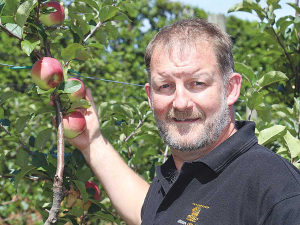
New Zealand's citrus growers have been told to compete on the value built into their fruit rather than the volume they grow.
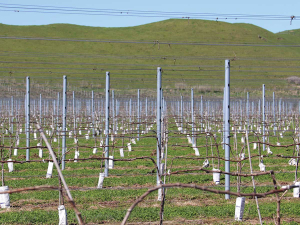
Hawke's Bay fruit growers are being reminded of the need to prepare for whatever the El Niño weather system may bring in the coming months.
Three and a half years on from when Cyclone Gabrielle hit Hawke's Bay, some orchardists in the region are still receiving counselling to help them deal with the trauma they suffered.
South of the central Hawke’s Bay town of Waipukurau is Taniwha Station – a highly successful 550ha bull beef farming operation.
Beef + Lamb NZ funded research has shown that some simple changes to pasture management could help farmers make better use of rainfall and build resilience before dry conditions hit.
OPINION: There could hardly be a more appropriate theme for a conference than the one chosen by the red meat sector - Navigating Volatility.



OPINION: The same mainstream media muppets that brought you Jacindamania in 2017 have been flat out pimping for the Opportunities…
OPINION: Your old mate reckons the atrocious way farmers in the UK are treated by their lords and masters in…