OPINION: With Freshwater Farm Plan (FWFP) regulations imminent, growers need practical, funded support now – not just more paperwork.
We all want to improve the quality of our water bodies and programmes like Growing Change show how government and industry can deliver real results fast. Growing change is a partnership between Horticulture New Zealand (HortNZ) and the Ministry for the Environment to help growers adopt FWFP.
Across regions, the new FWFPs will look different from many existing Farm Environment Plans (FEPs). Many traditional FEPs follow prescribed good management practices to lift baseline performance. FWFPs are risk‑based: they assess landscape characteristics, on‑farm activity risks, the values of the catchment the property is in, then set proportionate actions that reflect the risks to water on site. Some farms will need additional targeted measures, some will stay largely the same, and some may avoid unnecessary blanket requirements. FWFPs are designed to focus effort where it will have the most impact on freshwater outcomes.
Freshwater Farm Plan regulations will likely roll out in different regions at different times, so this is an opportunity for growers to lead rather than wait. Starting to prepare now reduces the risk of a last‑minute compliance rush, safeguards production and farm incomes, and shifts the debate from fear of regulation to practical on‑farm action. Taking the initiative also brings mental and community benefits: visible progress lifts morale, reduces uncertainty and drowns out the noise that comes with big change. Small, early steps add up — and they show communities and markets that growers are focused on outcomes, not paperwork.
That’s where Growing Change comes in.
Growing Change helps to translate Freshwater Farm Plan intent into on‑farm results. Built from on‑farm testing and backed by HortNZ and the Ministry for the Environment, Growing Change has provided a funded, NZQA‑approved micro credential to upskill over 100 growers, staff, horticulture advisors and council staff in horticulture‑specific freshwater risk management. The purpose of the micro credential is to enhance knowledge and demonstrate commitment to freshwater management, capability is backed with co‑funding, funded adviser time and targeted training so plans don’t stay on a shelf.
On the ground this means helping growers take the first steps, planning targeted measures to manage and mitigate identified freshwater risks where appropriate, upskill staff, and set up simple monitoring and reporting so progress is visible, auditable and practical while the industry readies for regulation.
Growing Change has also supported growers in ten catchment projects prepare a Freshwater Farm Plan through use of the New Zealand Good Agricultural Practice Environmental system add-on (EMS). Growers who participated were provided independent advisor support to prepare their EMS plan in preparation for the Freshwater Farm Plan regulations.
Early results from the Growing Change rollout show encouraging progress. By 30 June 2025, the number of Farm Environment Plans completed exceeded the 85‑plan target, covering close to the target of 37,500ha of land. 124 people were enrolled in NZQA‑approved freshwater micro-credential at the end of September (target 150) – sign up now to secure a place. Training engagement is strong across the board: ~300 people completed non‑NZQA formal training (target 61) and 261 received on‑the‑job informal training (target 183). These outcomes show advisor capability and on‑farm planning are scaling quickly, positioning growers and regions to start delivering improvements this season rather than years from now.
Freshwater Farm Plans are a practical, risk‑based pathway to protect and enhance water while keeping farms productive; they reward proportionate action rather than one‑size‑fits‑all rules.
Start now with one or two high‑impact actions this season – it removes the stress of trying to do everything at once and means you’re already on the path when FWFPs roll out in your region.
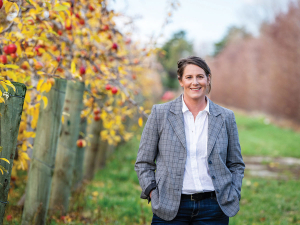
Michael Edmondson is an environmental consultant based in Te Tau Ihu - the top of the South Island - and founder of Agri Environmental Limited.