Turin makes two millionth NEF engine
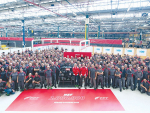
Part of the global Iveco Group, FPT Industrial, has hit a historical milestone with the production of the two millionth NEF engine rolling off its Turin, Italy production line.




 increase font size
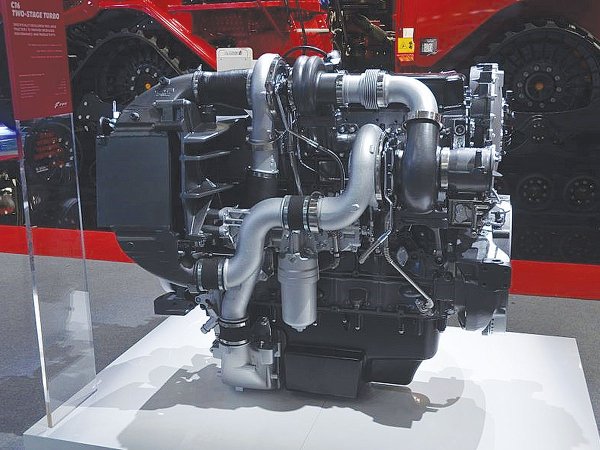 Iveco Group builds engines, powertrains and front axles for tractors.
India's Tata Motors is taking over the Italian- headquartered Iveco Group for a reported €3.8 billion (NZ$ 7.45 billion), with the purchase including FPT Industrial (Fiat Power Trains), which builds engines, powertrains and front axles for tractors and other agricultural and construction machines.
Iveco was part of CNH Industrial until January 2022, when it was separated and has since operated as an independent company. In addition to FPT, Iveco also manufactures commercial vehicles, trucks and mining vehicles. The reason for the demerger was to allow CNH to focus on the off-road sector, while Iveco would look after the commercial vehicle industry. At the time, 27% of Iveco’s shares were still held by Exor NV, the holding company of the Agneli family, best known for the Fiat brand.
Looking at the wider picture, the change of ownership will probably be unnoticed in the farming community, but with 36,000 employees, 19 global production sites and 31 R&D locations, the sale of Iveco is likely to raise many eyebrows in the truck and bus industries around the globe.
Employing 8000 staff located at 10 global production sites and 11 R&D centres, FPT manufactures 100,000+ engines in the F5, F28, V, NEF and Cursor Series each year. Its OEM customers include many well-known agricultural brands such as Case IH, New Holland and Steyr, Argo Tractor’s Landini and McCormick, Antonio Carraro, Claas and LS Mtron.
Combining the Iveco Group with its commercial vehicle business, Tata Motors will become a colossus that produces 540,000 commercial vehicles each year, with a likely annual turnover of around €22 billion. Half this revenue will be sourced in Europe, with the remainder coming from India, The Americas and the continually emerging markets of Asia and Africa.
The Iveco Group headquarters will remain in Turin, Italy, with the acquisition expected to be completed by mid- 2026.
Part of the global Iveco Group, FPT Industrial, has hit a historical milestone with the production of the two millionth NEF engine rolling off its Turin, Italy production line.



The avocado sector is entering the new season with a larger crop and positive market opportunities.
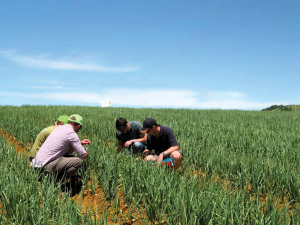
New Zealand growers have always adapted to changing conditions, but one challenge is steadily gaining ground across the horticulture sector: resistance.
Blueberries have the potential to become a major horticultural export, earning up to $150 million within the next three to five years.
Twenty five secondary school students from around New Zealand recently completed a three day residential programme designed to explore career opportunities across the food and fibre production supply chain.
Conversions of sheep and beef farms to forestry have slowed, however new research from Beef + Lamb New Zealand (B+LNZ) suggests land of value for food production remains at risk.
OPINION: A simpler, clearer, more effective Recognised Seasonal Employer (RSE) scheme.


OPINION: The same mainstream media muppets that brought you Jacindamania in 2017 have been flat out pimping for the Opportunities…
OPINION: Your old mate reckons the atrocious way farmers in the UK are treated by their lords and masters in…