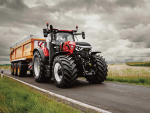
After what has been a difficult year with redundancies and factory downsizing, John Deere is reversing course, announcing it will bring 140 employees back to its Waterloo, Iowa operations as demand increases for its 8R and 9R tractors.
The backtracking comes despite Deere forecasting that the North American ag equipment market will decline another 15% to 20% in 2026, with large equipment sales remaining under pressure from lower commodity prices and tighter margins.
Sources within the company suggest there has been a strengthening of the long-standing build-for-retail manufacturing model, adjusting output month to month, leading to protection of farmers' equipment equity during a downturn.
At the same time, Deere also appears to be addressing operating costs where it can, by reducing prices on 187,000 parts over the past two years and preparing to roll out a new lower-priced tier of replacement parts later in the year.
Likewise, the company is also testing a tractor powered by E-98 ethanol that could eventually eliminate the need for Diesel Exhaust Fluid (DEF), while driving even more demand for the crops grown in the Americas.
Recent figures from the US Association of Equipment Manufacturers for 2025 show sales of 4WD tractors fell nearly 42% and combine sales are down 36%, aligning with what Deere is experiencing.
For Deere, that pressure translates directly into lower equipment demand and tough decisions inside its factories.
Read More:
Since 2024, reports suggest that John Deere has laid off over 2000 employees in the US, with those jobs primarily located in Iowa and Illinois. Back in January, Deere also announced it was returning 99 workers to the job in Iowa, impacting both its Davenport Works and Dubuque facilities.
Addressing the kitchen table discussion about the rising cost of machinery over the last five years, Deere says it continues to increase the productivity of its technology suites, by lowering up front purchase costs.
Those technologies include the likes of ExactShot fertiliser, See & Spray sprayer and combine automation systems that offer savings on inputs, getting all the grain out of the field and increasing yields.
www.deere.co.nz