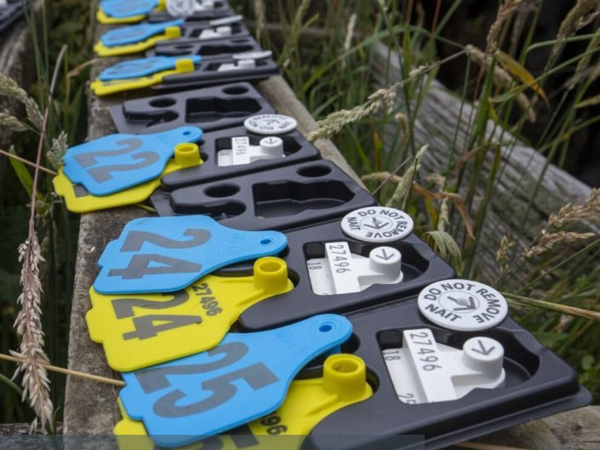
A Taranaki farmer and livestock agent who illegally swapped NAIT tags from cows infected with a bovine disease in an attempt to sell the cows has been fined $15,000.
Simon Mark Payne (44) was sentenced (16/12/25) in the New Plymouth District Court on one charge under the National Animal Identification and Tracing (NAIT) Act, following a successful prosecution by the Ministry for Primary Industries.
“The four cows Mr Payne attempted to sell in August last year were affected by bovine viral diarrhoea (BVD),” says MPI animal welfare and NAIT compliance manager, central, Gray Harrison.
"He knew this but directed one of his workers to replace the NAIT tags on these animals with new NAIT tags so he could sell them with a clean history.”
However, on the same day Mr Payne sent the animals to the saleyards in Stratford, MPI received a phone call alleging the unlawful removal of these NAIT devices.
“One of our NAIT officers intervened and stopped the animals being sold. This avoided the potential for them to infect animals at another farm. Mr Payne’s actions were both deceitful and self-serving with a total disregard for the potential effect – spreading a contagious disease from animal to animal,” Harrison says.
“While this situation was uncommon, this case sends a strong message to others tempted to get around the law. When we find evidence of a person in charge of animals deliberately disguising the true traceability of animals – we will put the case before the court.”
Under the Act, all cattle or deer must be declared in movements to the NAIT organisation, OSPRI, within 48 hours. Additionally, all animals must be fitted with a NAIT tag and registered in the NAIT system by the time the animal is 180 days old, or before the animal is moved off farm. NAIT tags must never be removed from animals unless authorised by a NAIT officer.
The NAIT system is designed for tracking and tracing animals if an unwanted biosecurity incursion affecting cattle or deer occurs. Any person in charge of animals who is unsure about what you need to do, should contact MPI’s partners at https://www.ospri.co.nz/about-us. Click or tap if you trust this link." data-auth="NotApplicable" data-linkindex="0">OSPRI.