DairyNZ Sets Out Election Priorities for Dairy Farmers
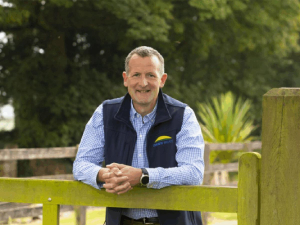
Election years are always a concerning time for farmers, according to DairyNZ chair Tracy Brown.




 increase font size
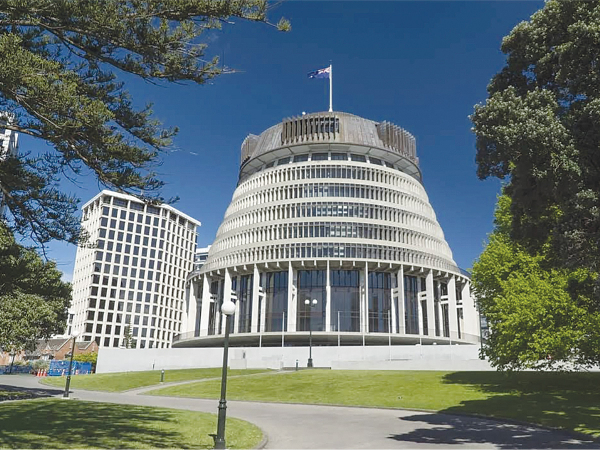
OPINION: The coalition Government’s plan to make about 9000 public servants redundant looms as a major election issue
Under Labour the public service grew like topsy to meet their agenda. Not only were lots of jobs created, but salaries were also high, especially for staff in the environment space.
Under National this carnival is over and that is their right in tough economic times to reduce costs. However, it seems that while there is an obsession by the coalition to put the blowtorch on the public service, there hasn’t been the slightest whisper about Parliament looking in the mirror and cutting its own costs.
For example, people are rightly questioning why there are so many list MPs who are also a burden on the taxpayers, and can someone please tell us what value they add to the economy?
Most are the obedient servants of their party – human voting machines – unaccountable really to no one in any electorate. They were not chosen by electors; they were arbitrarily selected by small committees from their own party. So, let’s have a restructure of Parliament and the electoral system and make some serious savings. Maybe pigs will fly over the Beehive first.
And when central government restructures local government, is there any chance they will have the internal fortitude to put an end to the excessively high salaries of local government officials who are a burden on ratepayers?
A recent advertisement in The Post newspaper has drawn gasps of disbelief in the capital about the money some senior staff are earning. How about central government setting a salary cap on local government salaries – why not?
Getting back to restructuring, wouldn’t it be better if job cuts were done by attrition or just cutting the physical salaries of all staff – like some organisations did during covid. People would still have jobs and pay tax and there would be no redundancy payments and loss of productivity during any restructure – and there would be real savings.
But in case you’ve forgotten, common sense has long been dead, buried and cremated.
Election years are always a concerning time for farmers, according to DairyNZ chair Tracy Brown.
OPINION: To a chorus of crying greenies, and not a minute too soon, the Government has moved to put the courts back in their place through proposed amendments to the Climate Change Response Act 2002, intending to limit climate litigation claims such as Smith v Fonterra, in the interests of providing greater certainty for vital industry.
OPINION: On the same day that pigs were reportedly seen airborne over the capital, a political journalist gave the PSA union a chip for being biased towards Labour – not the revelation of the year if you ask the Canine Crusader, but very rare to hear coming from a member of the press gallery.
Prime Minister Christopher Luxon has announced changes to the ministerial lineup, including a new Minister for the Environment and a new Associate Agriculture Minister.
OPINION: Federated Farmers' latest farmer confidence survey results won’t surprise too many people.


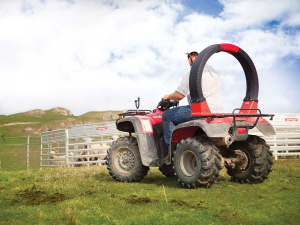
When Northland leather worker Vernon Suckling started making horse saddles 50 years ago, quad bikes and side-by-side vehicles were unheard of.
Alliance Group has confirmed that eligible farmer-shareholders who supply and continue to back the business will receive up to $20 million later this year, following the strategic investment partnership with Dawn Meats.
With a general election under five weeks away, Rural News is asking major political parties about their policies and positions on key issues facing the primary sector. We will run their responses to each question over the next four weeks. The ACT Party and the Greens didn't respond in time.
The red meat sector is in great heart.
Dr Scott Champion, Foundation for Arable Research chief executive, says that everyone in the supply chain had a role to play in driving the sector's long-term success.
Entries opened on Monday, 5 October 2026 for the 2027 New Zealand Dairy Industry Awards (NZDIA), which organisers describe as the nation's biggest celebration of excellence in the dairy sector.




OPINION: The same mainstream media muppets that brought you Jacindamania in 2017 have been flat out pimping for the Opportunities…
OPINION: Your old mate reckons the atrocious way farmers in the UK are treated by their lords and masters in…