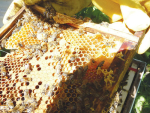
Egmont Honey Buys Tweeddale's, Now NZ's Biggest Apiary
New Plymouth-based Manuka honey exporter Egmont Honey has completed its acquisition of Taihape beekeeping business Tweeddale's Honey, with settlement finalised on Friday, 18 September.




 increase font size
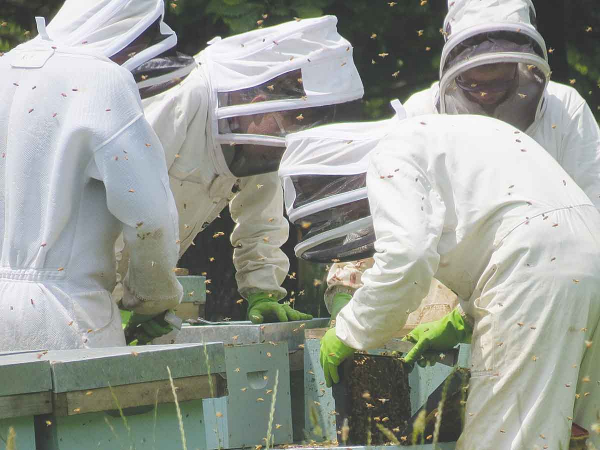 New Zealand's best honey producers were named last week.
New Zealand’s best honey producers have been named at the Apiculture New Zealand National Honey Competition as part of the industry’s annual conference in Christchurch.
The conference hosted more than 750 delegates from the apiculture industry at the Te Pae Convention Centre, Christchurch on 30 June and 1 July.
The National Honey Competition, held the day before the conference, featured products across a range of honey to chunky honey and cut honeycomb.
The 2022 Supreme Award winner was Timaru-based Jarved Allan of The Mānuka Collective, who took away the award for the second year in a row.
“There was consistently high quality across the board,” says head judge Maureen Conquer.
She says the judges were impressed with the quality of honey, that is improving every year, and it was very difficult to choose the winners.
The honeydew honeys, in particular, were of much higher quality this year, Conquer says.
All entries were blind tasted, and an international scale of points was used to determine the winners across 12 main categories.
For the first time the honey tasting was opened up to conference attendees and a People’s Choice award given. This section boasted an interesting range of flavours including thyme, pumpkin and lavender-infused honeys. Hawkes Bay beekeeper Robyn Gichard’s liquid honey proved to be the favourite in this category.
Dr Linda Newstrom-Lloyd (and the Trees for Bees team) was awarded the Peter Molan trophy for exceptional contribution to apiculture science for their work on strategic plantations of bee feed that will maximise bee health and survival.
Canterbury-based family-owned business Heathstock Apiaries received the ApiNZ Sustainability Best Practice Award for their organic and sustainable beekeeping practices with an emphasis on quality hive management over quantity of hives.
The Roy Paterson award for innovation went to another sustainable beekeeping company, Bees Kneez, for their hive nappy.
The ‘Unsung Hero Award’ went to Nick Wallingford for voluntarily digitising 600 publications (16,000 pages) of the NZ Beekeeper Journal dating from 1914 to 2016.
The Supreme winner in the ApiNZ National Photography competition was Waikato-based Plant and Food Research master’s student Revati Vispute with her close-up image ‘Tagging along all the pollen’.
New Plymouth-based Manuka honey exporter Egmont Honey has completed its acquisition of Taihape beekeeping business Tweeddale's Honey, with settlement finalised on Friday, 18 September.
Moves are underway to create a single organisation to represent the country's beekeepers.
On June 5, Apiculture New Zealand (ApiNZ) members will vote on the future of beekeeper representation in New Zealand.
Naki Honey, a New Zealand manuka apiary company, has crafted what is believed to be the world's most expensive honey.
Not all stakeholders involved in the proposed merger of honey industry groups - ApiNZ and Unique Manuka Factor Honey Association (UMFHA) combining to form a larger organisation - think the deal is so sweet.


National’s pledge to introduce 19 new national standards shows the party is serious about getting Wellington out of farming, Federated Farmers says.
The National Party’s policies to make it easier to grow fresh vegetables, secure reliable water and energy and simplify farm planning are practical changes that will give growers the confidence to invest, according to Horticulture New Zealand (HortNZ).
Fonterra Co-operative Group chief financial officer Andrew Murray has resigned to take up a role outside the dairy giant.
A major move is about to get underway to improve the quality and viability of dairy beef and cattle in NZ.
Veterinarians say changes to the code of welfare for dairy cattle provides a positive foundation for improved cattle welfare across the country.
Today, 15 October, is the International Day of Rural Women, which recognises rural women’s contribution to farming, communities and the environment.


OPINION: The same mainstream media muppets that brought you Jacindamania in 2017 have been flat out pimping for the Opportunities…
OPINION: Your old mate reckons the atrocious way farmers in the UK are treated by their lords and masters in…




