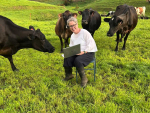
International Day of Rural Women: Two DairyNZ Farmers’ Stories
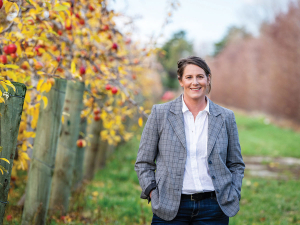
Today, 15 October, is the International Day of Rural Women, which recognises rural women’s contribution to farming, communities and the environment.




 increase font size
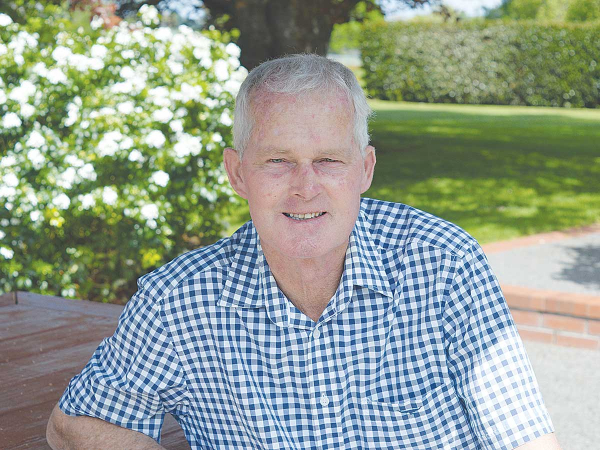 DairyNZ chair Jim van de Poel.
DairyNZ chairman Jim van der Poel says some farmers would prefer a more militant approach in tackling contentious issues affecting the sector.
However, the industry-good body prefers building relationships with key government officials and working together, he says.
Van der Poel told Rural News that there was a time and place for a tougher approach.
“We should never be scared of that in my view…that’s always an option, but once you do that you often burn relationships,” he says.
“You have to be confident that the relationships are not working and not likely to be working if you go down that track because there is likely no coming back from that.
“I’m not saying you shouldn’t consider that, it should always be an option, (but) our preference is to use the other approach.”
Dairy farmers are unhappy with some aspects of freshwater reforms and winter grazing rules introduced by the Labour-led Government last term.
Van der Poel agrees that there is “reasonable amount of nervousness” among farmers.
“A few farmers feel a bit stressed, a bit under pressure. Some of that’s financial, but a reasonable amount is because they don’t know how these government regulations will affect their business and whether their business will still be viable going forward.”
He notes that the dairy industry has evolved over the decades. The looming water reforms and environment rules are the next stage in the revolution.
“It’s about how we incorporate those things into our farming businesses and make them normal, most of the things we have incorporated over the years are now normal practices.”
Van der Poel says for DairyNZ it’s about engaging effectively with farmers and bringing them along on the journey.
While the make-up of the new government was still being worked on last week, van der Poel believes it will be easier to work with the new government “because we have got relationships and it was a standing start last time”.
“They won’t agree with everything we say and vice versa, but if we have a relationship and can have an open and frank discussion. That’s the objective.”
By working with the government, DairyNZ got some changes, like rather than farms going through consents, these can be done through farm environment plans.
Work has also been progressed on actions specific to catchments and farms and how regional governments interpret the new laws.
Van der Poel, who was re-elected as a board member for another three year term, says DairyNZ will work whoever chosen as ministers by the Prime Minister.
Last term
DairyNZ chairman Jim van der Poel has confirmed that this will be his last term on the industry-good organisation’s board.
He says it’s time “for the next generation to come up”.
Van der Poel, re-elected for another three years term last month, says with so much going on around sustainability, he felt this wasn’t the right time to step down from the board.
“I felt I should stay for one more term to bed some of that down,” he says.
Today, 15 October, is the International Day of Rural Women, which recognises rural women’s contribution to farming, communities and the environment.
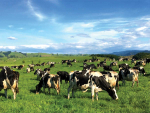
The first major update to the Dairy Cattle Code of Welfare in more than a decade has been released, marking what DairyNZ describes as an important step in ensuring animal welfare standards continue to evolve alongside scientific evidence and on-farm realities.
Have a plan in place for your cows and staff.
DairyNZ deputy chair Cameron Henderson has been re-appointed unopposed for another term.
OPINION: The stats speak for themselves.


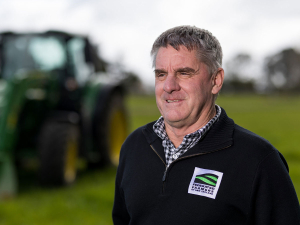
National’s pledge to introduce 19 new national standards shows the party is serious about getting Wellington out of farming, Federated Farmers says.
The National Party’s policies to make it easier to grow fresh vegetables, secure reliable water and energy and simplify farm planning are practical changes that will give growers the confidence to invest, according to Horticulture New Zealand (HortNZ).
Fonterra Co-operative Group chief financial officer Andrew Murray has resigned to take up a role outside the dairy giant.
A major move is about to get underway to improve the quality and viability of dairy beef and cattle in NZ.
Veterinarians say changes to the code of welfare for dairy cattle provides a positive foundation for improved cattle welfare across the country.
Today, 15 October, is the International Day of Rural Women, which recognises rural women’s contribution to farming, communities and the environment.





OPINION: The same mainstream media muppets that brought you Jacindamania in 2017 have been flat out pimping for the Opportunities…
OPINION: Your old mate reckons the atrocious way farmers in the UK are treated by their lords and masters in…




