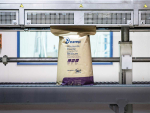
Milk Powder Prices Prop Up Farmgate Milk Price
Milk powder prices are keeping farmgate prices up, helping processors offset the dip in milk fat prices.




 increase font size
 The Global Dairy Trade (GDT) recorded its second straight rise last week.
Global dairy prices continue to rise despite ample supply from key milk producing countries including New Zealand.
The Global Dairy Trade (GDT) recorded its second straight rise last week with whole milk powder and skim milk powder prices up 15 and 2.2% respectively.
ASB senior economist Chris Tennent-Brown says the powder price gains are especially encouraging after more strong production data from NZ dairy processors last week.
New Zealand milk production season-to-date was up 2.4% (up 3.1% on a milksolids basis) by the end of December.
Tennent-Brown says that if GDT prices sustain this positive start, then the final season price can end up above Fonterra's $9/kgMS forecast mid-point, but there is still a long way to go.
ASB is maintaining its $9.20/kgMS forecast for the current season.
NZX dairy analyst Rosalind Crickett notes that the global milk production picture, on the whole, remains robust.
She says NZ milksolids collections in December were the second highest recording for the month, narrowly behind December 2014, with no drastic changes to this trajectory anticipated any time soon.
In the Northern Hemisphere, reports of milk dumping in the UK continue to drive home the narrative of a global ample supply.
"Ordinarily this would expect to put more downward pressure on milk powder prices, however, reports of tight inventories in the US seems to help provide some price support for SMP on the platform," says Crickett.
Milk powder prices are keeping farmgate prices up, helping processors offset the dip in milk fat prices.
OPINION: With 10,500 dairy farms, New Zealand continues to punch above its weight around the world.
A milk glut around the world shows no sign of easing, putting downward pressure on farmgate milk prices for the next few months.
Fonterra has reduced its forecast 2026/27 Farmgate Milk Price.
New Zealand dairy farmers are set to be the first in the world to receive access to a new digital physical milk pricing tool that enables them to fix the price for their physical milk.



Zespri has welcomed the entry into force of the India-New Zealand Free Trade Agreement today, calling it a significant milestone that will support long-term growth in one of the world’s largest and fastest-growing consumer markets.
Southland's wet winter and spring will potentially cost Wyndham sheep and beef farmer Ben Dooley between $100,000 and $120,000 in lamb losses.
Beef + Lamb New Zealand says the National Party’s agriculture plan provides a strong basis for lifting productivity, supporting rural communities and recognising the sheep and beef sector’s environmental track record.
Wools of New Zealand chief executive John McWhirter says its new direct-to-consumer wool carpet service, Laneve, is the next step in the development of the business.
The New Zealand-India Free Trade Agreement entered into force today, improving market access for New Zealand businesses across a wide range of sectors.
Vetekina Pau'u is the first Tongan to win the William Gearish Memorial prize and sadly she will also be the last recipient.





OPINION: The same mainstream media muppets that brought you Jacindamania in 2017 have been flat out pimping for the Opportunities…
OPINION: Your old mate reckons the atrocious way farmers in the UK are treated by their lords and masters in…




