
Rural NZ Welcomes $8.5m Government Health Package
Rural New Zealand is welcoming the Government’s recent package of rural healthcare initiatives.




 increase font size
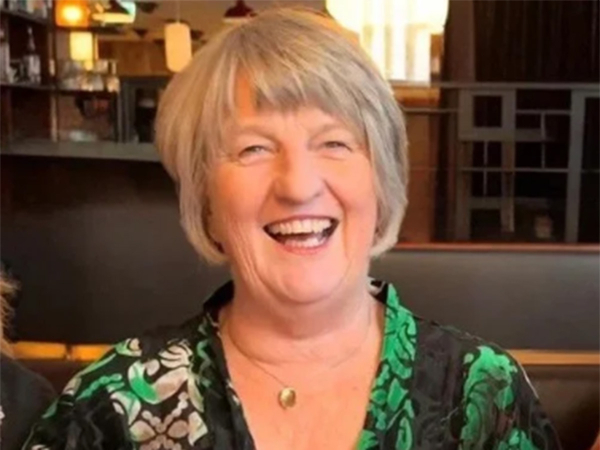 Rural Women New Zealand chief executive Sandra Kirby.
Rural Women New Zealand (RWNZ) says it welcomes the release of a new report into pay equity.
The People's Select Committee on Pay Equity released its report into the subject, reflecting over 1,300 submissions in opposition to the Equal Pay Amendment Act 2025 signed into law in May last year.
The Act, which was passed under urgency, increased the threshold for pay equity claims; allowed employers to opt out of multi-employer claims; removed the ability and requirement for settlements to require a review clause; restricted the ability of workers to re-raise a claim; and removed the ability of the Employment Relations Authority to award back pay when fixing remuneration.
The Act also redefined what was termed as a "predominantly female" role, shifting the threshold from 60% to 70% female over ten years., which critics say meant that fewer claims would qualify.
The Amendment Act directly impacted 33 claims that were already before the Employment Relations Authority which had to be restarted.
At the time when the Act was passed, Workplace Relations Minister Brooke van Velden said the previous version of the law was not working as intended.
“Claims have been able to progress without strong evidence of undervaluation and there have been very broad claims where it is difficult to tell whether differences in pay are due to sex-based discrimination or other factors,” van Velden said at the time.
In response to the law, 10 female former MPs – including Dame Marilyn Waring, Jackie Blue, Ria Bond, Nanaia Mahuta, and Dr Sue Bradford – created the People’s Select Committee on Pay Equity.
In their report (Inquiry into the Equal Pay Amendment Act 2025), released yesterday, the Committee suggests that if the ability to seek fair pay is delayed or denied, rural communities will find it even more difficult to recruit staff required to in rural New Zealand.
The report suggests that professions impacted would include teaching and aged care workers.
 |
|---|
|
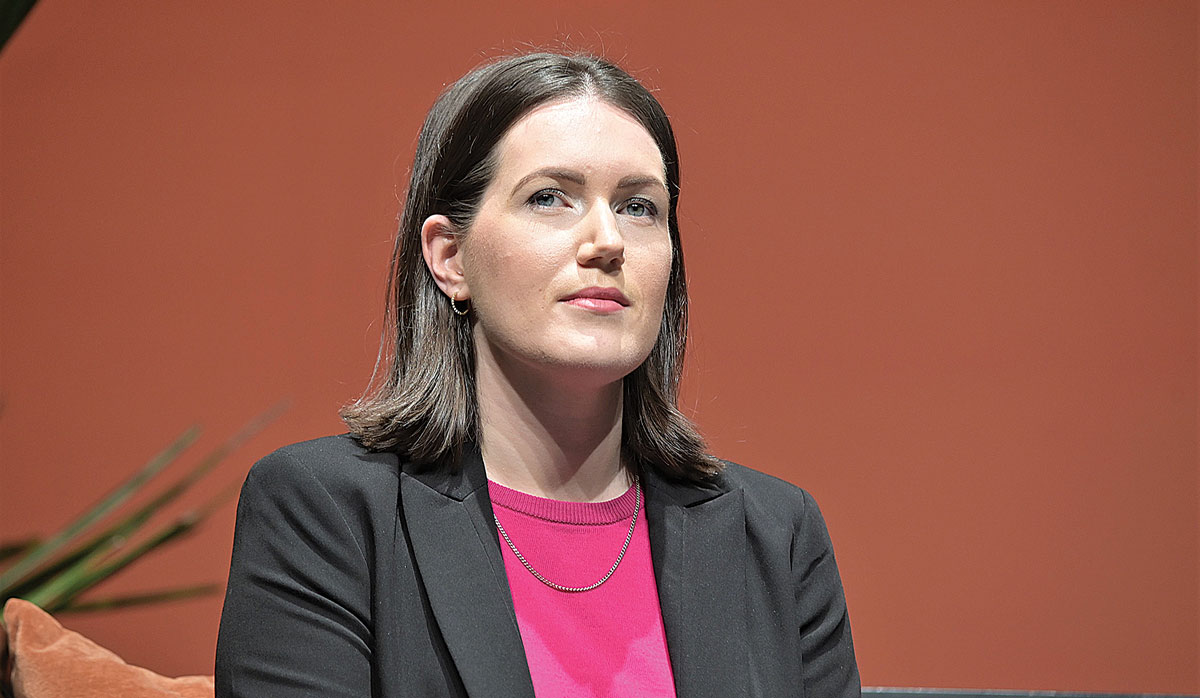
Workplace Relations Minister Brooke van Velden. |
It also suggests that midwives who do not work for HealthNZ have a significant salary difference and there is no avenue available to use the new Act to correct that.
It also argues that the new 70% threshold is unrealistic for small, rural workplaces with naturally fluctuating staffing levels.
RWNZ chief executive Sandra Kirby says that pay equity is not just about individual pay packets, it’s also about whether families are able to put down roots in rural communities.
“When women in health, education and community services are not paid enough to support their families, rural communities lose them, and everyone suffers,” Kirby says.
"We know from our members that rural communities were already struggling to attract and retain staff before these reforms. Pay inequity was one of many factors driving that, and the Equal Pay Amendment Act only makes it harder."
Kirby says that of particular concern to RWNZ is the 70% threshold.
"A small rural health clinic or ECE centre might meet the 70% threshold most years, but not every year, and that could rule them out entirely. That is not a fair or workable system,” she says.
RWNZ is asking the Government to reinstate the 33 discontinued claims, lower the female-dominance threshold, and ensure smaller rural employers are supported to participate in the pay equity process.
"This is not a new fight. Rural Women New Zealand has been advocating for rural women for over 100 years, and ensuring fair pay for the women who power our rural communities is as important today as it has ever been."
Rural New Zealand is welcoming the Government’s recent package of rural healthcare initiatives.

Deputy Prime Minister and ACT Party leader David Seymour says advocacy group Rural Women New Zealand (RWNZ) has submitted against a controversial bill without consulting its members.
Women up and down the country are the glue that hold rural communities together, giving so much to so many, says the inaugural Rural Woman of the year award winner Kate Acland.
Rural Women New Zealand has announced the winners of the 2026 NZI Rural Women Business Awards.
Rural Women New Zealand this month submitted on the Draft Mental Health and a Wellbeing Strategy 2026-2036, because a person's postcode should not determine the quality of their mental health support.


Federated Farmers has welcomed new rural policies released by ACT, saying they align closely with its own election priorities.

Rural Contractors NZ says proposed changes to land transport rules for agricultural vehicles are a welcome response by the Government to out of date regulations which have seen members hit with huge fines.
Alliance is calling for final applications for its 2027 Graduate Programme, with applications closing on Sunday 25 October.
Decades piloting planes has ensured vet and farmer David Hayes is focused on safety. So, after a serious accident while welding on farm, he is sharing his experience so others can learn from it.
Canterbury milk processor, Synlait Milk has confirmed Leon Fung as its chief executive officer.
OPINION: Making it easier to collect rainwater and use it to grow crops and livestock is a no brainer.





OPINION: The same mainstream media muppets that brought you Jacindamania in 2017 have been flat out pimping for the Opportunities…
OPINION: Your old mate reckons the atrocious way farmers in the UK are treated by their lords and masters in…




