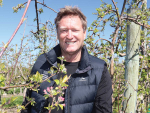
Cyclone Gabrielle: Hawke's Bay Orchardists Still Recovering
Three and a half years on from when Cyclone Gabrielle hit Hawke's Bay, some orchardists in the region are still receiving counselling to help them deal with the trauma they suffered.




 increase font size
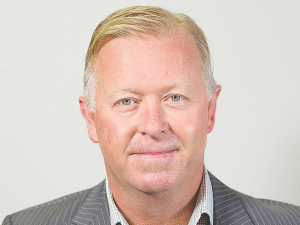
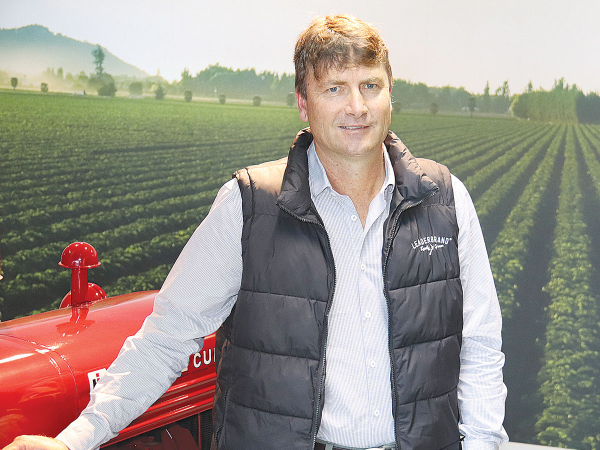 Leaderbrand chief executive, Richard Burke says excessive rain has impacted planting.
Constant rain over the past year has made it extremely hard for Gisborne's major vegetable grower Leaderbrand.
According to its chief executive, Richard Burke, the Tairawhiti region has had an incredible 2000mm of rain since February last year and this has had a major effect on their planting programme, ground conditions and crop yields. He says the weather, including Cyclone Gabrielle, has created some changes and challenges for his company.
"This has made supply quite lumpy," Burke told Rural News.
"Sometimes supply has been tight and sometimes it's been plentiful and, in the end, that's probably given consumers more value.
"This is because they have been able to capitalise when there is plenty of product around. So, as of today we have got plenty of challenges ahead of us," he says.
Burke says the immediate issue they face is not major infrastructure such as roads, rather it is drainage to dry sodden paddocks. He says their greatest challenge is to clear the drains and get them working. With the heavy clay soils, the rain just sits on them, the soil compacts and gets damaged.
"The result is that it impacts on our planting programmes.
"What is needed is a long-term approach to drainage in the region," he says.
Burke says in recent years there has been big investment in environmental issues such as reducing carbon emissions, but less money invested in repairing vital infrastructure such as drains - equally important in terms of crop production.
He says with this delay in maintenance of drains, a lot of catch-up work is required to get operating properly to cope, not so much with a cyclone, but the ordinary rain events that the region is subjected to.
"For example, we didn't get any land levelling drainage work done last summer because it was so wet, and you couldn't work the land. It's only really dried out this month and we are busy cleaning out our drains, and the council ones, because there is a chance that they won't get around to it. We are also doing a lot of land levelling to set ourselves up for this winter," he says.
Three and a half years on from when Cyclone Gabrielle hit Hawke's Bay, some orchardists in the region are still receiving counselling to help them deal with the trauma they suffered.
Recent storm damage to roading infrastructure around New Zealand has prompted a call for the Government to change the settings for funding rural roads - with the aim of providing more money to make them more resilient to adverse events.
The chief executive of Apples and Pears New Zealand, Danielle Adsett, says fruit quality this year is phenomenal and the sector is hitting crop estimates, which is great for growers.
Major New Zealand fresh produce grower is tapping AI to manage weeds on one of its farms.
A pillar of New Zealand's horticultural industry, Dr Stuart Davis, was farewelled at a well-attended funeral service in Tuakau, South Auckland, on December 18.


Federated Farmers has welcomed new rural policies released by ACT, saying they align closely with its own election priorities.
Rural Contractors NZ says proposed changes to land transport rules for agricultural vehicles are a welcome response by the Government to out of date regulations which have seen members hit with huge fines.
Alliance is calling for final applications for its 2027 Graduate Programme, with applications closing on Sunday 25 October.
Decades piloting planes has ensured vet and farmer David Hayes is focused on safety. So, after a serious accident while welding on farm, he is sharing his experience so others can learn from it.
Canterbury milk processor, Synlait Milk has confirmed Leon Fung as its chief executive officer.
OPINION: Making it easier to collect rainwater and use it to grow crops and livestock is a no brainer.

OPINION: The same mainstream media muppets that brought you Jacindamania in 2017 have been flat out pimping for the Opportunities…
OPINION: Your old mate reckons the atrocious way farmers in the UK are treated by their lords and masters in…




