
Feds Back National’s 19 Farming National Standards
National’s pledge to introduce 19 new national standards shows the party is serious about getting Wellington out of farming, Federated Farmers says.




 increase font size
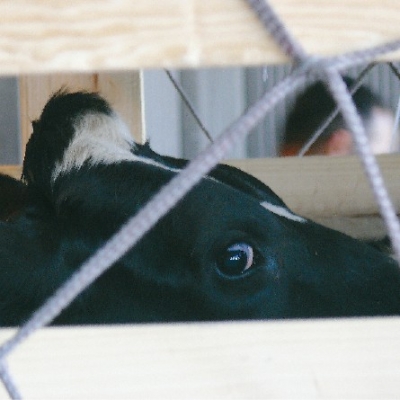
Federated Farmers is emphatic that farmers and trucking operators follow the animal welfare rules when taking stock to processing works, especially as drought conditions reduce animal feed in some parts of the country.
Recently a picture of Jersey cows being transported across Cook Straight for slaughter, led to thousands of shares on Facebook, attacks on farming practices, and a complaint to the Ministry for Primary Industries.
Federated Farmers animal welfare spokesperson, Andrew Hoggard, says the rules on stock welfare and stock transport are clearly laid out in Ministry for Primary Industries’ Codes of Welfare Practice.
“For transport, the trucker has to follow rules, such as keeping the animals fed and watered for long distance transport, but both the trucker and farmer are legally responsible for making sure that stock are suitable for transport at loading,” says Hoggard.
“When a farmer wants to transport stock off the property, if there is any doubt about suitability for transport then a vet ought to be consulted before loading. That’s the rule and it is a good rule.”
Hoggard appreciates that there is a drought in many parts of the South Island and feed is getting tight but says that farmers have to plan ahead to budget extra feed in, or they need to quit their stock well before they become an animal welfare issue.
“We welcome the full investigation by MPI and will wait to see the results before commenting further.”
“For those farmers who are struggling with the drought there is support available through the Rural Support Trust and Federated Farmers Feedline. Do not cross your fingers and hope, take action now,” concludes Hoggard.
National’s pledge to introduce 19 new national standards shows the party is serious about getting Wellington out of farming, Federated Farmers says.

Mobile phone coverage and reliability are deteriorating in rural areas, and farming families are bearing the cost, according to a Federated Farmers survey.
Central Otago District Council (CODC) has voted against a plan to spread treated sewage sludge from Cromwell and Alexandra on farmland near Lauder, a decision Federated Farmers says reflects strong opposition from rural residents.
Federated Farmers has called on Central Otago District Council (CODC) to drop or vote down a plan to truck sludge from Alexandra and Cromwell to farmland near Lauder, warning it would compound an "outrageous" situation created by a separate council's decision weeks earlier.
The first major update to the Dairy Cattle Code of Welfare in more than a decade has been released, marking what DairyNZ describes as an important step in ensuring animal welfare standards continue to evolve alongside scientific evidence and on-farm realities.



National’s pledge to introduce 19 new national standards shows the party is serious about getting Wellington out of farming, Federated Farmers says.
The National Party’s policies to make it easier to grow fresh vegetables, secure reliable water and energy and simplify farm planning are practical changes that will give growers the confidence to invest, according to Horticulture New Zealand (HortNZ).
Fonterra Co-operative Group chief financial officer Andrew Murray has resigned to take up a role outside the dairy giant.
A major move is about to get underway to improve the quality and viability of dairy beef and cattle in NZ.
Veterinarians say changes to the code of welfare for dairy cattle provides a positive foundation for improved cattle welfare across the country.
Today, 15 October, is the International Day of Rural Women, which recognises rural women’s contribution to farming, communities and the environment.




OPINION: The same mainstream media muppets that brought you Jacindamania in 2017 have been flat out pimping for the Opportunities…
OPINION: Your old mate reckons the atrocious way farmers in the UK are treated by their lords and masters in…




