
Feds Back National’s 19 Farming National Standards
National’s pledge to introduce 19 new national standards shows the party is serious about getting Wellington out of farming, Federated Farmers says.




 increase font size
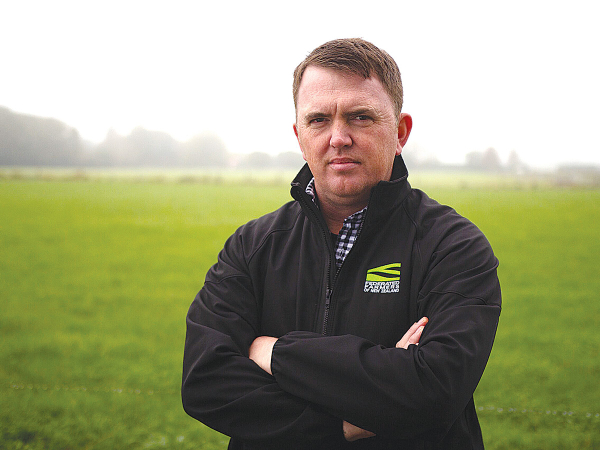 Federated Farmers president Wayne Langford.
Farmers want more direct, accurate information about both fuel and fertiliser supply.
That’s according to Federated Farmers, which asked its members last week to “share any tangible examples of where you’re having issues accessing fuel”.
Federated Farmers president Wayne Langford says the feedback has been fed directly to both the Beehive and Ministry for Primary Industries (MPI).
“Our team have been in constant contact with the Government this week, making it clear farming is an essential industry, and reliable access to fuel must be treated as a priority.
“It’s important for them to understand the fuel needs of farmers and rural communities, but also the flow-on effects for other businesses like contractors and stock carriers,” he wrote in his weekly email to farmer members.
“We’ve also heard loud and clear from our members that you want more direct, accurate information about both fuel and fertiliser supply.”
Langford says they went straight to a couple of key suppliers this week – and their message is clear.
Ravensdown says farmers have no reason to worry about fertiliser availability.
The co-operative is well positioned to meet demand now and through autumn, with most of what’s needed already in the country or on the water.
On fuel, Fern Energy is urging farmers not to panic or stockpile.
There is enough fuel in New Zealand – the real issue is artificial demand spikes driven by fear, says Langford.
“When people rush to fill tanks and store extra fuel, it puts unnecessary strain on the supply chain in some regions.
“That’s what leads to delays and disruptions for farmers who genuinely need supply, when they need it.
“Fern Energy, Ravensdown and other suppliers are working their guts out to get supply to those who need it.
“The best thing farmers can do right now is stay calm and stick to normal purchasing patterns.
“That allows suppliers to prioritise deliveries to where fuel is actually needed most and keep everything flowing as it should.”
Langford says that it’s hard to predict what will happen to supply in the longer-term, as that’s very much dependent on what happens in the Middle East.
But the message right now is that we have enough in the country, and plenty on the way, he adds.
“I know these are challenging times – but we’ve been through them before and we’ll get through this one as well.”
National’s pledge to introduce 19 new national standards shows the party is serious about getting Wellington out of farming, Federated Farmers says.

Mobile phone coverage and reliability are deteriorating in rural areas, and farming families are bearing the cost, according to a Federated Farmers survey.
Central Otago District Council (CODC) has voted against a plan to spread treated sewage sludge from Cromwell and Alexandra on farmland near Lauder, a decision Federated Farmers says reflects strong opposition from rural residents.
Federated Farmers has called on Central Otago District Council (CODC) to drop or vote down a plan to truck sludge from Alexandra and Cromwell to farmland near Lauder, warning it would compound an "outrageous" situation created by a separate council's decision weeks earlier.
Federated Farmers says new legislation replacing the Resource Management Act will cut red tape, unlock investment and help grow New Zealand's export-led economy, after the Planning Bill and Natural Environment Bill passed their third reading in Parliament yesterday.


National’s pledge to introduce 19 new national standards shows the party is serious about getting Wellington out of farming, Federated Farmers says.
The National Party’s policies to make it easier to grow fresh vegetables, secure reliable water and energy and simplify farm planning are practical changes that will give growers the confidence to invest, according to Horticulture New Zealand (HortNZ).
Fonterra Co-operative Group chief financial officer Andrew Murray has resigned to take up a role outside the dairy giant.
A major move is about to get underway to improve the quality and viability of dairy beef and cattle in NZ.
Veterinarians say changes to the code of welfare for dairy cattle provides a positive foundation for improved cattle welfare across the country.
Today, 15 October, is the International Day of Rural Women, which recognises rural women’s contribution to farming, communities and the environment.




OPINION: The same mainstream media muppets that brought you Jacindamania in 2017 have been flat out pimping for the Opportunities…
OPINION: Your old mate reckons the atrocious way farmers in the UK are treated by their lords and masters in…




