
NZ Food Safety Boss on Balancing Speed and Risk in Approvals
Striking a balance between meeting the needs of industry to speed up approval time for products but on the other hand ensuring that risks are properly assessed.




 increase font size
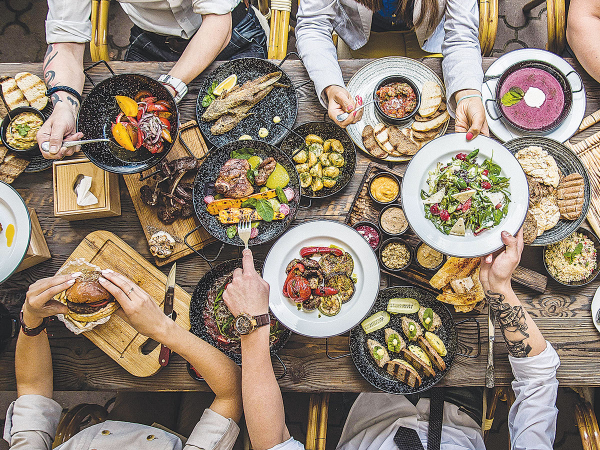 New Zealand Food Safety has launched a new campaign designed to help Kiwis avoid food poisoning this summer.
New Zealand Food Safety (NZFS) has launched a new campaign targeting foodborne illnesses during the festive and summer season.
NZFS deputy-director general Vincent Arbuckle says there tends to be a rise in cases of foodborne illnesses and linked hospitalisations during the summer season.
“The most commonly reported illness is campylobacteriosis – caused by Campylobacter bacteria – with our youngest and oldest having the highest rates of infection,” Arbuckle says.
He says that in 2021, there were 5,729 confirmed cases of campylobacteriosis, with 846 people needing hospital treatment, up from 718 in 2020.
“And 2022 looks set to follow a similar trajectory, with more than 5,300 cases nationally so far.”
Arbuckle says the most common source for the Campylobacter bacteria from food is raw or undercooked chicken.
He says one major thing consumers can do to keep themselves, their family and their friends healthy is to ensure raw chicken is handled safely.
“Cook it properly and use separate utensils and chopping boards, and, as with all food, don’t leave it out in the heat of the day, both before cooking and after you’ve finished eating.”
Te Whatu Ora Health NZ medical officer of health Jay Harrower says every year, thousands of people are diagnosed with campylobacter and for some it can be very serious.
“Across New Zealand campylobacter cases are spiking once again this summer, but there are simple steps everyone can take to reduce the risk to them and their whanau,” he says.
To assist with the NZFS has launched a new food safety campaign. Throughout a series of videos, NZFS’s two ‘Chicken Scene Investigators’ invite viewers to join them to spot the chicken handling crime.
“Campylobacteriosis symptoms are nasty. They include diarrhoea, fever, headache, muscle aches, abdominal pain, and vomiting. It may also develop into more severe illness such as Guillain-Barré Syndrome, a disorder in which the body's immune system attacks its nerves, sometimes resulting in permanent paralysis,” Arbuckle says.
Anyone suffering from symptoms can call Healthline on 0800 611 116, or contact their doctor or practice nurse for advice.
“So, wherever you’re gathering – from BBQs to work dos, beach parties to kai at the marae, Christmas lunch or potluck dinner – make sure you don’t contaminate your plate this summer.”
Tips to stay safe from food poisoning this summer
Striking a balance between meeting the needs of industry to speed up approval time for products but on the other hand ensuring that risks are properly assessed.

New Zealand Food Safety (NZFS) is reminding New Zealanders to keep food safety top of mind as they head into the festive season.
New Zealand Food Safety (NZFS) says it is supporting importer Goodfood Group in its decision to recall Food Snob and Mon Ami brand French Brie and Camembert cheeses.
An Auckland man who illegally killed and sold pigs and a chicken has been fined $8,000.
An Auckland woman has been fined $25,245 and an Auckland man has been ordered to do 300 hours of community service for the illegal slaughter and sales of pigs.


Farmer-owned fertiliser company, Ballance Agri Nutrients is welcoming National’s plan to negotiate security agreements with key supplier countries to protect New Zealand-bound products from export restrictions and greater supply chain certainty.

Carrfields has announced the appointment of Stu Hall to the newly created role of chief operating officer, Carrfields Ltd, reflecting the continued growth of their agribusinesses and the need to ensure the company has the leadership capacity and support in place as it pursues the emerging opportunities ahead.
New Zealand's role is not to compete with Indian growers, according to NZ Apples and Pears.
The potato industry is celebrating the success of two rising stars - James Blair, the 2026 Young Grower of the Year and runner-up and innovation award winner, Amber Davy.
Twenty-eight emerging leaders from across the horticulture sector spent two days last month learning valuable skills and connecting with industry experts.
There are five entrants in this year’s Young Horticulturist of the Year, competing in a series of technical, practical, business and leadership challenges.




OPINION: The same mainstream media muppets that brought you Jacindamania in 2017 have been flat out pimping for the Opportunities…
OPINION: Your old mate reckons the atrocious way farmers in the UK are treated by their lords and masters in…




