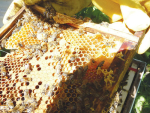
Egmont Honey Buys Tweeddale's, Now NZ's Biggest Apiary
New Plymouth-based Manuka honey exporter Egmont Honey has completed its acquisition of Taihape beekeeping business Tweeddale's Honey, with settlement finalised on Friday, 18 September.




 increase font size
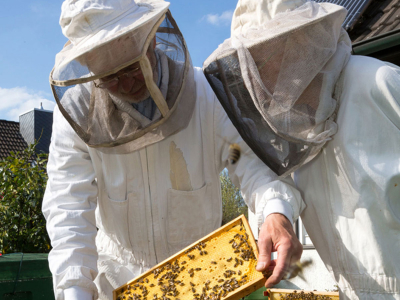
Hundreds of beekeepers, packers and industry trade and suppliers will converge in Rotorua next month for Apiculture New Zealand’s national conference.
“The annual conference is the opportunity for our industry to get together and look at how we can grow value and share knowledge, critical in today’s more difficult climate,” says Karin Kos, chief executive, Apiculture New Zealand.
The Conference, at the Rotorua Events Centre from Thursday June 27 to Saturday 29 June is also the opportunity to showcase the talents and efforts of people in the apiculture industry, including the honeys and bee products they produce.
The National Honey Competition, sponsored by Kiwi Labels, is a highlight of conference with the best honeys in the country vying for the top awards.
“We are always excited to be involved with the best of the best, in the honey products space,” says Kevin Powell, of Kiwi Labels. “Year on year we see a high calibre of honey and honey products which show dedication, passion, pride and initiative from their creators, with a little help from their buzzy friends.
Powell said they looked forward to being part of the journey and helping to market these products, with their award-winning labels, for the enjoyment and benefit of people around the globe.
There are 12 different honey classes ranging from clear to creamed honey, from manuka honey to mead and honeycomb. The honey judges are world-class and the honeys must meet an internationally recognised scales of points. The programme covers a full three days, includes a discussion on the challenges of our honey market and the international marketing of manuka honey. International keynote speakers include Dr. Sammy Ramsey, Dr. Juliana Rangel-Posada, and Alisha Taff who are travelling from the United States to share their beekeeping knowledge and experience with Kiwi delegates. Topics covered by these speakers include reversal of the effects of the infamous Varroa mite on bee health, the biology of mating, producing organic honey and latest industry trends.
New Plymouth-based Manuka honey exporter Egmont Honey has completed its acquisition of Taihape beekeeping business Tweeddale's Honey, with settlement finalised on Friday, 18 September.
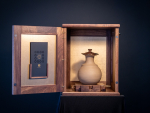
Naki Honey, a New Zealand manuka apiary company, has crafted what is believed to be the world's most expensive honey.
A big shakeup in the honey sector is about to take place with the news that the industry good body, ApiNZ, and the export focused Unique Manuka Factor Honey Association are looking to merge to form a new industry body.
Thousands of honey retailers and professionals worldwide are getting a taste of the remarkable properties of New Zealand mānuka honey.
After three years of record performance, mānuka honey exporter and retailer Comvita has reported an annual net loss of $77 million.


Dairy processors are ready to further boost New Zealand’s export earnings but want the incoming government to match their ambition with good policy.
Massey University is best placed to solve the “problems” facing the dairy industry, says vice chancellor, Pierre Venter.
Synlait's longest serving employee – a man who joined the Canterbury-based milk processor even before it began processing milk – is now its newest executive.
A dairy industry leader believes eradicating the common and costly disease, Bovine Viral Diarrhoea (BVD) is within reach.
A farmgate milk price of $10/kgMS this season is firming up as milk powder prices soar and the New Zealand dollar weakens.
Federated Farmers has welcomed new rural policies released by ACT, saying they align closely with its own election priorities.



OPINION: The same mainstream media muppets that brought you Jacindamania in 2017 have been flat out pimping for the Opportunities…
OPINION: Your old mate reckons the atrocious way farmers in the UK are treated by their lords and masters in…




