Arable Sector Costs Are the Biggest Problem, Says FAR
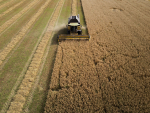
Flat pricing in the face of significant increases in costs is the greatest problem facing the arable sector, says Foundation for Arable Research (FAR) chief executive Dr Scott Champion.




 increase font size

OPINION: Spare a thought for the arable farmer, squeezed on one side by soft global prices and on the other by limits on further yield increases.
Profitability issues facing arable farmers are the same across the world, says NZ Special Agricultural Trade Envoy Hamish Marr, an arable farmer himself.
The arable industry is facing "the perfect storm", the main issue being gross margin.
"There is simply not enough money being generated."
Yield has the biggest positive influence on cost of production and this needs to increase to produce more on less land. Hence some growers are considering dairy, hort or sheep as alternatives.
He also reckons the sector needs better advocacy in Wellington: "Onions NZ have a $200 million export market and have several people in Wellington, and they brief me before trade delegations. No one rings me from arable."
Flat pricing in the face of significant increases in costs is the greatest problem facing the arable sector, says Foundation for Arable Research (FAR) chief executive Dr Scott Champion.
Mid Canterbury Federated Farmers arable chair, Bevan Lill, said Beef + Lamb NZ data indicated that for the last six years, the average arable return on investment was about 0.8% while inflation ran about 4% - so the average arable farm was going backwards at about 3% a year.
Four years since it was first detected in New Zealand, researchers and growers now know much more about management of maize pest fall armyworm (FAW).
OPINION: The same mainstream media muppets that brought you Jacindamania in 2017 have been flat out pimping for the Opportunities Party, labelled by some as the 'LinkedIn Greens' for their corporate spin on Green-esque 'tax the rich' policies.

Farmer-owned fertiliser company, Ballance Agri Nutrients is welcoming National’s plan to negotiate security agreements with key supplier countries to protect New Zealand-bound products from export restrictions and greater supply chain certainty.

Carrfields has announced the appointment of Stu Hall to the newly created role of chief operating officer, Carrfields Ltd, reflecting the continued growth of their agribusinesses and the need to ensure the company has the leadership capacity and support in place as it pursues the emerging opportunities ahead.
New Zealand's role is not to compete with Indian growers, according to NZ Apples and Pears.
The potato industry is celebrating the success of two rising stars - James Blair, the 2026 Young Grower of the Year and runner-up and innovation award winner, Amber Davy.
Twenty-eight emerging leaders from across the horticulture sector spent two days last month learning valuable skills and connecting with industry experts.
There are five entrants in this year’s Young Horticulturist of the Year, competing in a series of technical, practical, business and leadership challenges.


OPINION: The same mainstream media muppets that brought you Jacindamania in 2017 have been flat out pimping for the Opportunities…
OPINION: Your old mate reckons the atrocious way farmers in the UK are treated by their lords and masters in…