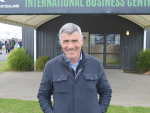
Major farming sector lender ANZ is closely watching the rising price of farmland.
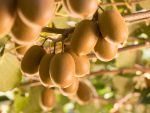
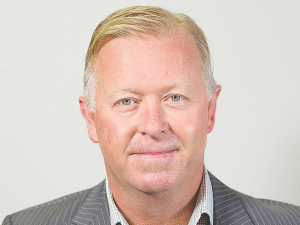
ANZ's new managing director commercial and agri, Mark Hiddleston, says no one wants to see the boom in the kiwifruit industry turn into another 'bubble'.
He told Rural News at Fieldays that the kiwifruit industry rebound has been fantastic in "going through tough times and working together through them".
"The industry was literally holdings hands for a few years; now we see orchard prices are higher than before Psa," he says. "That's great, no one is criticising that outcome, but let's make sure it doesn't turn into another bubble."
Pre-Psa kiwifruit gold orchards were valued at $450,000/ha and green orchards $250,000/ha. Today, gold orchards are valued at $600,000/ha and green $400,000/ha.
Zespri has exported a record 50 million trays of gold kiwifruit this year, versus a record 30m trays before Psa.
Hiddleston and colleagues are talking to farmers nationwide about volatility and how they can manage for it. Ultimately volatility will discourage people from entering an industry and will discourage capital. "The more volatility, the greater the risk," he says.
Dairy farmers, now in their second year of negative cashflow, better understand this. "They realise they need to think about things they can control. You can't control what's happening in Europe, but you can control farm practices."
ANZ is noticing resilience among dairy farmers, Hiddleston says. Farmers who borrowed more money after the first year of the low milk price have since made radical changes to their businesses and now don't need additional funds.
They say to us 'we now have a better business'."
ANZ has made provision for bad debt arising out of the dairy downturn. However, it's coming off a low base and the board is "very comfortable" with current levels.
The bank is working with farmers as part of its 'agri reboot' programme on funding and monitoring onfarm costs for the year.
And ANZ is working with sharemilkers badly hit by two seasons of low payout, including coordinating discussion between sharemilkers and farm owners.
"We have clients on both sides; we don't want to put pressure on one side. The solution is not to push more debt on someone who really can't afford it and push them out of the industry.
"Instead we can facilitate discussion with landowners -- provide more support to landowners who then support the sharemilkers."