
Final call for Alliance’s 2027 Graduate Programme
Alliance is calling for final applications for its 2027 Graduate Programme, with applications closing on Sunday 25 October.




 increase font size
 A few of the graduates from this year's intake.
FOURTEEN WOMEN completed the Agri-Women's Development Trust's (AWDT) Escalator programme last week, bringing its total number of graduates to 53 since it began in 2010.
The 10-month programme came about after AWDT's research into the role of New Zealand women in agriculture found low participation rates at leadership and governance levels. In an effort to answer this problem, the programme aims to develop women's skills and confidence to govern and lead agricultural organisations and communities.
This year's programme attracted women from Bay of Plenty to Southland who are involved in the dairy, honey, sheep and beef, animal health, agri-business and banking sectors.
"Escalator continues to attract women from across the agricultural spectrum – from grassroots farmers who are heavily involved in their businesses and communities to women in corporate roles," says AWDT executive director Lindy Nelson.
"This kind of mix has high value through knowledge exchange and widening of very diverse networks, then later on through involvement with a very strong alumni group."
At a ceremony held in Wellington, the 2014 graduates were joined by more than 100 industry leaders, including 17 members of the Escalator Alumni who travelled from throughout New Zealand and Melbourne to further their own leadership development and support the graduates.
Seven members of the alumni, including two from this year, are now assisting the AWDT develop and deliver its programmes around New Zealand.
"It's exciting to see one of our original goals -developing women to train and support other women – now being achieved," says Nelson.
Alliance is calling for final applications for its 2027 Graduate Programme, with applications closing on Sunday 25 October.

Federated Farmers is backing Feilding High School’s call to keep Agriculture and Horticultural Science as a standalone subject in Year 11.
Pāmu has welcomed Taranaki student Paige Burston as its newest First Foundation Scholar, supporting her journey towards a career in agriculture and animal science.
Kaikōura families affected by July's severe storm have found a practical solution to a problem that's kept some children away from regular schooling for weeks: a washed-out section of Inland Kaikōura Road, which has stopped the local school bus from running its usual route.
Special courses for secondary school teachers to help excite kids about agriculture and horticulture are now being run at Massey University.



Alliance is calling for final applications for its 2027 Graduate Programme, with applications closing on Sunday 25 October.
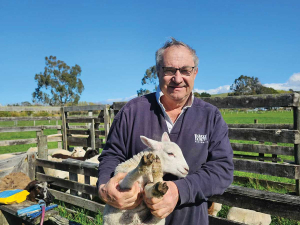
Decades piloting planes has ensured vet and farmer David Hayes is focused on safety. So, after a serious accident while welding on farm, he is sharing his experience so others can learn from it.
Canterbury milk processor, Synlait Milk has confirmed Leon Fung as its chief executive officer.
OPINION: Making it easier to collect rainwater and use it to grow crops and livestock is a no brainer.
As part of its Election 2026 coverage, Rural News asked political parties how they would help pull the arable sector out of the doldrums. Here's what they said:
Farmers are being encouraged to rethink how they manage waste on farm with the launch of ruralwastesorted.co.nz, a new website bringing together practical tips, real farmer experiences and resources.



OPINION: The same mainstream media muppets that brought you Jacindamania in 2017 have been flat out pimping for the Opportunities…
OPINION: Your old mate reckons the atrocious way farmers in the UK are treated by their lords and masters in…




