
Pouarua Water Storage Scheme Gets Government Backing
The Government is backing work on a community-led water storage scheme that could irrigate up to 11,000 more hectares of the Poverty Bay flats, Agriculture Minister Todd McClay says.




 increase font size
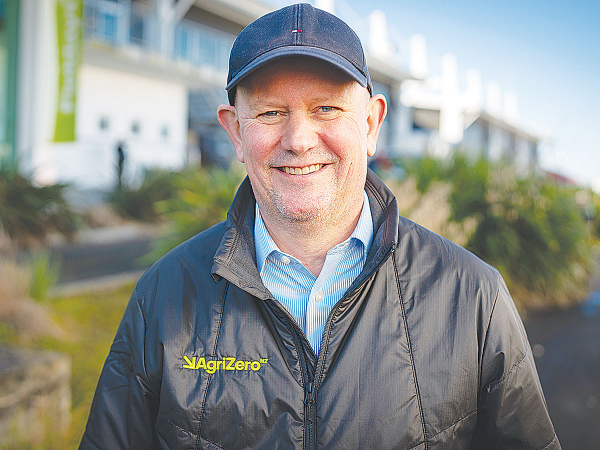 AgriZeroNZ chief executive Wayne McNee.
AgriZeroNZ is ramping up efforts to accelerate the uptake of emissions reduction tools on farm with a new initiative to help more farmers put proven tools into practice.
Launching the Early Adoption Accelerator today, Economic Growth Minister Nicola Willis and Agriculture Minister Hon Todd McClay confirmed the Government will provide up to $51 million over three years to co-fund projects delivered through the initiative to accelerate early adoption of tools and technology that lower on farm emissions.
AgriZeroNZ will administer the funds and is seeking expressions of interest from farming businesses, product developers and agribusinesses to lead or participate in projects that advance the use of these tools on farm.
Wayne McNee, AgriZeroNZ chief executive, says the Early Adoption Accelerator fits within the public-private partnership’s role to accelerate the development and deployment of tools as more options are expected to become available for farmers soon.
“We’re investing in a range of companies and projects to build a strong pipeline of tools that will enable Kiwi farmers to reduce emissions," McNee says.
"With these tools getting closer to on-farm use, our investors across the public and private sectors asked us to play a bigger role in their uptake."
“The Accelerator is designed to advance farmer-led uptake by addressing common barriers that can slow the adoption of new technologies and help bridge the gap between early availability and widespread uptake, particularly as the companies providing the tools scale up.”
A key focus of the initiative will be putting the tools into practice and sharing the farmer insights with the wider sector, McNee says.
“By demonstrating the tools in action, we can give farmers the evidence and confidence they need to make informed decisions for their businesses and help pave the way for broader use across the sector.”
To date, AgriZeroNZ has invested $79.9 million in 18 companies, research projects and trials, accelerating a pipeline of tools ranging from inhibitors to probiotics, pastures, animal wearables and vaccines. Several are expected to become available over the next few years.
Cameron Black, a Southland farmer and member of AgriZeroNZ’s Farmer Focus Group, said working alongside farmers would be critical to supporting uptake as new tools emerge.
“New Zealand farmers can be pretty quick to pick up new technology when they can see it working on-farm and stacking up. Innovators and early adopters will jump in early, but I’d say the majority prefer to see the tools in action first," he says.
“Getting the tools onto farms and sharing those experiences will go a long way toward building the trust and confidence needed to make a real difference across the sector.”
The Government is backing work on a community-led water storage scheme that could irrigate up to 11,000 more hectares of the Poverty Bay flats, Agriculture Minister Todd McClay says.

A Labour-led Government won’t be bringing back the controversial freshwater rules of 2020.
It was billed as a chance for all the political parties to woo the rural vote, but question marks hang over just how effective this was.
There's been widespread support from the primary sector for the Government's announcement on changes to freshwater farm plans that come under the Natural Environment Bill, which is now set to replace the existing RMA.
OPINION: Back in April, the Intergovernmental Panel on Climate Change delivered an update that should have triggered an 8.5 magnitude earthquake in the world of climate change policy.


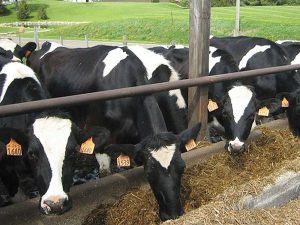
Veterinarians say changes to the code of welfare for dairy cattle provides a positive foundation for improved cattle welfare across the country.
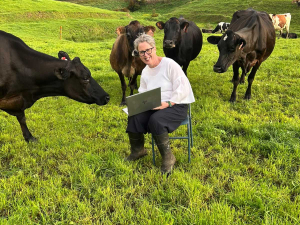
Today, 15 October, is the International Day of Rural Women, which recognises rural women’s contribution to farming, communities and the environment.
Global dairy giant Lactalis has integrated its Australian operations with the Mainland Dairy consumer business it acquired from Fonterra earlier this year.
After almost two decades of sharemilking, saving and building equity, Aaron and Marcia Flay this year realised their long-held dream of settling on their first dairy farm.
Good medium to long term prospects for NZ beef, especially in the US, has heighted the focus on various initiatives to capitalise on this situation.
High country stations, mixed sheep and beef farms, Māori-owned farms, corporates and family operations are among the nine commercial farms taking part in the Livestock Innovation Farming Transformation programme, known as LIFT.




OPINION: The same mainstream media muppets that brought you Jacindamania in 2017 have been flat out pimping for the Opportunities…
OPINION: Your old mate reckons the atrocious way farmers in the UK are treated by their lords and masters in…




