Dairy Sector Drives Strong Rural Property Market Activity in NZ
The latest data from the Real Estate Institute of New Zealand (REINZ) reveals a mixed rural property market due to consistent inflation concerns.




 increase font size
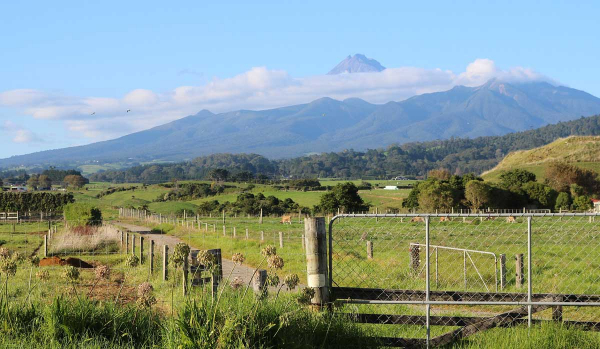 Farm sales went up once again in December 2020.
Data release by the Real Estate Institute of New Zealand (REINZ) shows there were 175 more farm sales for the three months ending December 2020 than for the same period in 2019.
Overall, there were 520 farm sales in the three months ending December 2020, compared to 441 farm sales for the three months ending November 2020 (+17.9%), and 345 farm sales for the three months ended December 2019.
1,462 farms were sold in the year to December 2020, 15.6% more than were sold in the year to December 2019, with 26.2% more dairy farms, 9.6% less grazing farms, 32.0% more finishing farms, and 23.8% less arable farms sold over the same period.
The median price per hectare for all farms sold in the three months to December 2020 was $27,317 to $22, 981 recorded for three months ended December 2019 (+18.9%).
The median price per hectare decreased 1.6% compared to November 2020.
The REINZ All Farm Index increased 2.5% in the three months to December 2020 compared to the three months to November 2020.
Compared to the three months ending December 2019, the REINZ All Farm Price Index rose 1.4%.
Eleven of the 14 regions recorded an increase in the number of farm sales for the three months ending December 2020 compared to the three months ending December 2019, with the most notable being Waikato and Northland.
Otago recorded the only decline in sales.
Brian Peacocke, REINZ rural spokesman, says “Sales figures for the three month period ending 31 December 2020 reflect a further consolidation in the results which have been emerging in recent months, with dairy in particular achieving the strongest December since 2017.
“As is always the case, climate is the uncontrollable variable, so it was regretful that heavy rain and hail in the South Island in December caused flooding to pasture land and severe damage to horticultural crops in both the Central Otago and Nelson/Marlborough regions.
“The degree of damage was such that some growers and orchardists have lost a major portion of their income for the year which is most distressing for those involved,” Peacocke says.
“Of particular encouragement is the resilience of the dairy industry with current Global Dairy Trade Auctions being positive enough to encourage Fonterra to increase both its mid-season price and the forecast for the end of season payment – extremely positive for the dairy industry and for the overall economy.”
The latest data from the Real Estate Institute of New Zealand (REINZ) reveals a mixed rural property market due to consistent inflation concerns.
Farm sales are on the rise. According to recent data from the Real Estate Institute of New Zealand (REINZ), there was an 18.9% increase in farm sales for the three months ending August 2024 compared to the same period in 2023.
It could be that buyers are hunting out the right farm to purchase as farm sales drop for the three months ended December 2023. That’s according to the Real Estate Institute of New Zealand (REINZ).
Recently released data from the Real Estate Institute of New Zealand (REINZ) shows there were 77 fewer farm sales for the three months ended November 2023 than for the three months ended November 2022.
Recent data from the Real Estate Institute of New Zealand (REINZ) shows October was another month in which there were fewer farm sales than at the same time in 2022.

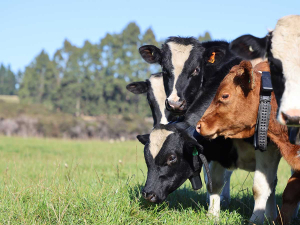
High country stations, mixed sheep and beef farms, Māori-owned farms, corporates and family operations are among the nine commercial farms taking part in the Livestock Innovation Farming Transformation programme, known as LIFT.
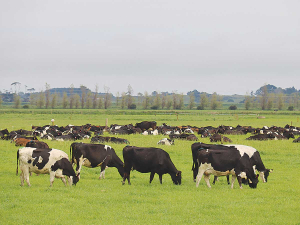
OPINION: New health and safety guidance unveiled by the Government recently provides farmers greater certainty about what is expected of them when managing risks on farm.
The National Animal Welfare Advisory Committee (NAWAC) is seeking public feedback on proposed changes to the Code of Welfare for Rodeos.
A New Zealand initiative supporting farmers to restore the health of grazing landscapes has received international backing through the Regenerative Fund for Nature, a global collaborative fund supporting regenerative agriculture and the communities that produce natural fibres for the fashion industry.
Combine premium New Zealand products, blend in a family ritual and what do you get? A world-class functional drink.
Entries are now open across eleven regions for the 2027 New Zealand Dairy Industry Awards (NZDIA).




OPINION: The same mainstream media muppets that brought you Jacindamania in 2017 have been flat out pimping for the Opportunities…
OPINION: Your old mate reckons the atrocious way farmers in the UK are treated by their lords and masters in…




