Dairy Sector Drives Strong Rural Property Market Activity in NZ
The latest data from the Real Estate Institute of New Zealand (REINZ) reveals a mixed rural property market due to consistent inflation concerns.




 increase font size
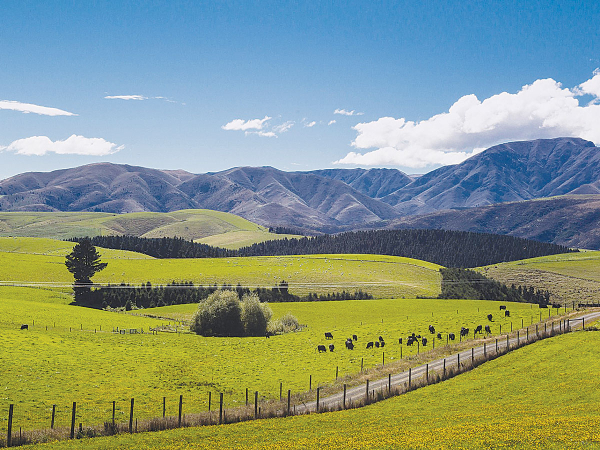 Buyers may be hunting out the right farm to purchase as farm sales drop for the three months ended December 2023.
It could be that buyers are hunting out the right farm to purchase as farm sales drop for the three months ended December 2023. That’s according to the Real Estate Institute of New Zealand (REINZ).
REINZ recorded a total of 142 fewer farm sales for the quarter ended December 2023, down 37.1% on the same period in December 2022.
Overall, there were 241 farm sales during the three months ended December 2023, up 23.6% on the three months ended November 2023.
For the three months ended December 2023, the median sales price per hectare for dairy farms was $41,020 (37 properties), compared to $36,650 (27 properties) for the three months ended November 2023, and $44,055 (80 properties) for the three months ended December 2022.
On the whole, in 2023, 1059 farms were sold, 499 fewer than were sold in 2022; 41.2% fewer dairy farms and 7.3% fewer dairy support properties were sold during that time.
The median price per hectare for dairy farms has decreased 6.9% over the past 12 months. The median dairy farm size for the three months ended December 2023 was 128 hectares.
Meanwhile, for the three months ended December 2023, the median sale price per hectare for finishing farms was $35,625 (80 properties), compared to $38,345 (74 properties) for the three months ended November 2023, and $39,270 (105 properties) for the three months ended December 2022.
The median price per hectare for finishing farms has decreased by 9.3% over the past 12 months. The median finishing farm size for the three months ended December 2023 was 37 hectares.
Shane O’Brien, rural spokesman for REINZ, says that while the year result was largely anticipated by the industry, there has still been a substantial reduction in the volume of sales across the year 2023.
“This reduction, especially when compared to previous years, has affected all regions and sectors for varying reasons,” O’Brien says.
“There is no doubt the headwinds from farm product prices combined with on-farm interest rates (circa 8.0%) and rising on-farm inflation has challenged buyers when looking at property options,” he says.
O’Brien says that for the first time in several years, a considerable number of properties remained unsold at the end of the spring selling season. “Buyers are cautious and considered with buying decisions, but buyers indicated they will pay for the ‘right’ property,” he says. “The depth of the buyer pool has been reduced due to lack of the right listings for active buyers.”
“The dairy sector had 57 dairy sales across New Zealand in December 2021 which reduced to 42 sales in December 2022 but only 14 sales of dairy farms across all of New Zealand in December 2023.”
O’Brien says this represents a significant drop.
“Similar sale trends have occurred in other sectors including grazing properties that have missed out on any active buyers who see an opportunity for conversion say to forestry,” he concludes.
The latest data from the Real Estate Institute of New Zealand (REINZ) reveals a mixed rural property market due to consistent inflation concerns.
Farm sales are on the rise. According to recent data from the Real Estate Institute of New Zealand (REINZ), there was an 18.9% increase in farm sales for the three months ending August 2024 compared to the same period in 2023.
Recently released data from the Real Estate Institute of New Zealand (REINZ) shows there were 77 fewer farm sales for the three months ended November 2023 than for the three months ended November 2022.
Recent data from the Real Estate Institute of New Zealand (REINZ) shows October was another month in which there were fewer farm sales than at the same time in 2022.
Recent data from the Real Estate Institute of New Zealand (REINZ) shows a 22.5% drop in the amount of farm sales for the three months ended July 2023 than for the same period in 2022.


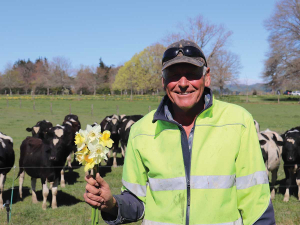
South of the central Hawke’s Bay town of Waipukurau is Taniwha Station – a highly successful 550ha bull beef farming operation.
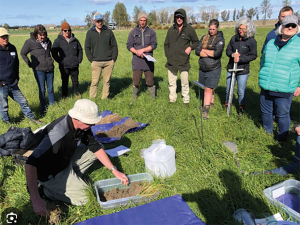
Beef + Lamb NZ funded research has shown that some simple changes to pasture management could help farmers make better use of rainfall and build resilience before dry conditions hit.
OPINION: There could hardly be a more appropriate theme for a conference than the one chosen by the red meat sector - Navigating Volatility.
When Northland leather worker Vernon Suckling started making horse saddles 50 years ago, quad bikes and side-by-side vehicles were unheard of.
Alliance Group has confirmed that eligible farmer-shareholders who supply and continue to back the business will receive up to $20 million later this year, following the strategic investment partnership with Dawn Meats.
With a general election under five weeks away, Rural News is asking major political parties about their policies and positions on key issues facing the primary sector. We will run their responses to each question over the next four weeks. The ACT Party and the Greens didn't respond in time.
OPINION: It seems Canterbury processor Synlait is still in the doldrums.
OPINION: Get offside with New Zealand First leader Winston Peters at your own peril.




