Farmers are being urged to consider delaying pre-lamb shearing this winter as feed resources in many parts of the country are already stretched.
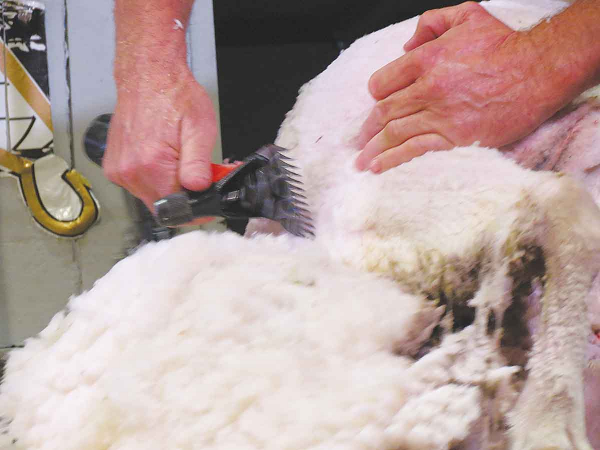
Shearing may increase feed demand by 10-30% for two to four weeks, depending on temperature, wind and rain, as the ewes need extra energy to maintain body heat. Shearing also places freshly shorn sheep at risk in bad weather.
This risk is greater for sheep with a body condition score of below 3. Sheep should not be shorn in the last four weeks of pregnancy.
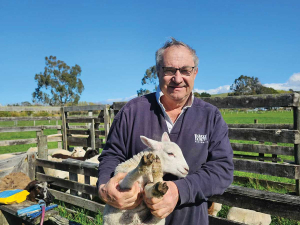
Beef + Lamb New Zealand’s senior advisor for biosecurity and animal welfare, Will Halliday, says leaving wool on or just belly crutching will reduce ewes’ feed demand in colder weather compared to fully shorn ewes.
If pre-lamb shearing is necessary, it is recommended that ewes are pre-conditioned by feeding grain for at least 10 days prior to shearing so that feeding can be stepped up immediately afterwards. Alternatively, a well-sheltered area with above maintenance levels of three to four-centimetre pasture length should be provided.
Cover combs will reduce the period of increased feed demand by one or two weeks. Lifters could also be used to leave even more wool on.
Ideally, shearing during winter should be staggered to reduce risk, shearing a shed-full at a time with a three-day gap between. This means sheep can be run back into the shed after shearing, if necessary.
Halliday says the downside of leaving wool on is that ewes are less likely to seek shelter during a storm or cold snap so will need to be monitored and shelter provided during lambing.