
Farmer fury
OPINION: The new Labour Government in the UK is facing the wrath of farmers. Last week thousands of farmers and their supporters converged in London protesting changes to inheritance tax for farmers announced in the Budget.




 increase font size
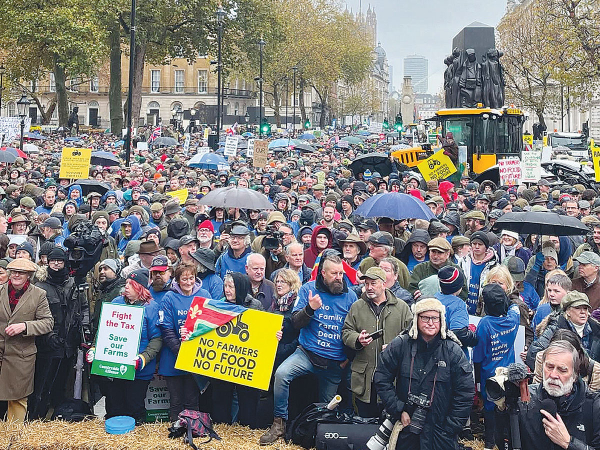 Scenes from the farmer protests in the UK last year.
Volatile input costs, fluctuating commodity prices, a reduction in direct payments and one of the wettest periods in decades that resulted in a disastrous harvest, have left their mark and many UK farming businesses worse off.
That's the New Year message from National Farmers Union president Tom Bradshaw.
He says to cap a wretched year, farmers saw a new Labour government, which, after 14 years in opposition, promised to reset its relations with British farmers and deliver a much-needed lift to farmer confidence.
"Instead, it delivered an inflationary budget and all but removed the tax reliefs for agriculture property and business property," he says.
"In all my years in the industry I've never experienced the anger, despair and sense of betrayal following the Chancellor's announcement to changes to inheritance tax, which has long protected farming's ability to pass on farm businesses to the next generation, thereby protecting food producing businesses and the nation's food security.
"We saw these raw emotions play out at our mass lobby of MPs in Westminster, the farmer rally in Whitehall, and at the various tractor protests in London and around the UK, with tens of thousands of farmers expressing passionately how this tax will devastate their businesses, families, rural communities and national food security.
"We are keeping up the pressure on government, targeting those rural labour MPs, and with a powerful visual reminder from the banners going up all over the UK that the fight is far from over."
Bradshaw says that pre-election, there were several policies within Labour's election manifesto that provided optimism, and "we all need to see those delivered and at pace".
A robust system of core standards for food imports is essential to protect farmers and consumers from imported food that would be illegal to produce here and allow the economic marketplace to function properly, rather than NFU members being constantly undermined, he says.
OPINION: The new Labour Government in the UK is facing the wrath of farmers. Last week thousands of farmers and their supporters converged in London protesting changes to inheritance tax for farmers announced in the Budget.
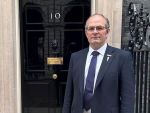
As Britain heads to the polls on 4 July, the UK’s National Farmer’s Union (NFU) has come out in full force, saying the election will be the most important in a generation for British farming.
OPINION: Good on the UK'S NFU for battling to get supermarkets to prioritise local farmers' produce.
UK farmers want a ban on a popular Chinese festival where ‘sky lanterns’ are released.
Australian farmers are piling pressure on the Opposition Labour Party to support the proposed free trade with China.

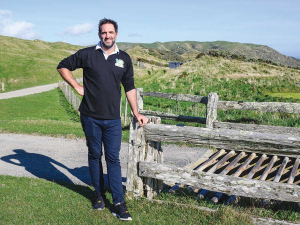
Returning to the family dairy farm after playing 20 years of professional rugby around the world is no easy task.

After delivering another record farmgate milk price to 100 supplying farms, independent milk processor Tatua is entering thee new financial year with a positive outlook.
Managing feed by sticking to a firm plan has helped the Southern Dairy Hub (SDH) demonstration farm survive an extremely wet winter, says the farm's acting general manager Greg Delaney.
A record farmgate milk price and strong global demand is laying the foundation for continued growth of organic dairy farming in New Zealand.
Mobile phone coverage and reliability are deteriorating in rural areas, and farming families are bearing the cost, according to a Federated Farmers survey.
HelloFresh New Zealand has launched a limited-edition Country Cookout Box of Southern-inspired meals, arriving as the 2026/27 rodeo season gets underway.



OPINION: It seems Canterbury processor Synlait is still in the doldrums.
OPINION: Get offside with New Zealand First leader Winston Peters at your own peril.




