
Federated Farmers Praises Labour's Emissions Tax Backdown
For the first time in a quarter of a century, Federated Farmers has something positive to say about the Labour Party’s climate change policy leading into a general election.




 increase font size

On emissions targets, dairy farmers are promoting the lower numbers put out last year by the Parliamentary Commissioner for the Environment, Simon Upton.
Upton said in August that 10-22% cuts to methane would be needed by 2050 to flat-line NZ livestock’s contribution to climate change (which end of the range depended on what other countries did).
With those cuts, methane from NZ livestock would continue to make the same contribution to global warming as it is making today, but wouldn’t increase its share of climate damage.
But the Government has inflated greatly the methane target. Does this mean they will ignore the recommendation of their own PCE?
For the first time in a quarter of a century, Federated Farmers has something positive to say about the Labour Party’s climate change policy leading into a general election.
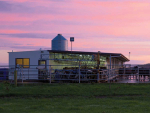
Climate, nature and animal wellbeing make up Fonterra's refreshed sustainability roadmap released last week.
New Zealand's Emissions Trading Scheme (NZ ETS) encourages afforestation while not achieving climate goals, says a new report released by the Parliamentary Commissioner for the Environment, Simon Upton.
The Parliamentary Commissioner for the Environment, Simon Upton, wants environmental information to be treated as critical national infrastructure.
A five-year study has found that the cost of reducing emissions without technology may be significant and unsustainable for Northland dairy farmers.


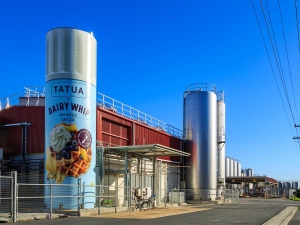
Waikato milk processor Tatua has again declared a record milk payout to farmer shareholders, leaving other processors in the dust.
A Labour-led Government won’t be bringing back the controversial freshwater rules of 2020.
National’s much-touted free trade deal with India featured in the Rural Issues Debate at Mystery Creek, Hamilton on Wednesday night.
New Zealand's 2026-27 freshwater fishing season has opened, with anglers encouraged to head to rivers and lakes over the coming days as conditions look favourable across much of the country.
Central Otago District Council (CODC) has voted against a plan to spread treated sewage sludge from Cromwell and Alexandra on farmland near Lauder, a decision Federated Farmers says reflects strong opposition from rural residents.
Pāmu has released its FY26 Integrated Annual Report, reporting a Net Operating Profit of $113 million, more than double the $49 million recorded in FY25.
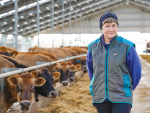

OPINION: It seems Canterbury processor Synlait is still in the doldrums.
OPINION: Get offside with New Zealand First leader Winston Peters at your own peril.