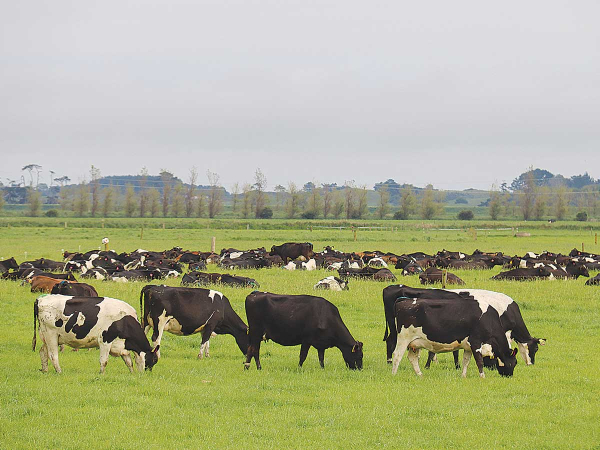
Salmonellosis is a serious disease in cattle.
According to Ministry for Primary Industries (MPI), in dairy herds it can trigger severe outbreaks of scouring, abortions, or sudden deaths, with a devastating economic impact and a lasting knock-on effect on the farm.
Salmonella also poses a risk to people working with stock, including farmers and vets. And when antibiotics are needed to manage outbreaks, it adds pressure on antibiotic use, another concern for animal and public health alike.
MPI continuously monitors Salmonella in cattle. Since spring 2024, the number of diagnosed cases has been higher than usual, and this increase has continued into spring 2025.
To date, the number of lab-confirmed cases in 2025 is already twice the total recorded in 2023, and the dairy season is only halfway through (see figure 1). A previous national outbreak occurred between 2017 and 2020, but the number of cases recorded this year has already surpassed the epidemic levels of 2019-2020.
MPI is investigating what drives Salmonella outbreaks on farms - and what helps prevent them.
“We’re inviting all dairy farmers - whether or not you have experienced Salmonella on your farm - to take part in this phone survey. Your input can help protect herds and support practical solutions to decrease the impact of Salmonella in dairy. The phone survey is short and confidential,” it says.
Read More:
People can get involved in two easy ways. Completing the contact form online at; www.mpi.govt.nz/mpi-salmonella or by emailing their local MPI On-Farm Support team.