Another Australian state has given the green light to virtual fencing, opening another market for Kiwi company Halter.
The world’s leading developer of supplier virtual fencing and herding systems, Halter already operates in Tasmania and Queensland.
Last month, New South Wales and Victoria Governments announced they were legalising virtual fencing in their respective states.
A statement two weeks ago from the South Australian Government says allowing producers to use the game-changing technology would help improve cattle management, reduce infrastructure costs and help protect native vegetation.
An amendment to the Animal Welfare Regulations 2012 has been approved, enabling virtual fencing to be used in South Australia’s agricultural sector and fulfilling a South Australian Government commitment.
The updates will allow manufacturers to apply to the government for approval of their virtual fencing technology and system from early 2026. Primary producers will then be able to buy or lease an approved system for use in their operations.
Halter says 600,000 cows are already wearing its collars in Tasmania and Queensland.
It says the collar delivers 40% Labour savings per week on an average farm using Halter.
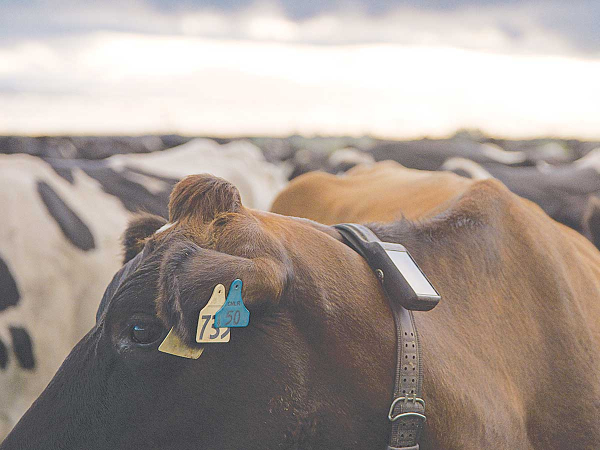
The Halter system includes a solar-powered smart collar for each cow, towers for connectivity and an app that lets farmers manage their cattle and pasture remotely from their phone. Cows are guided by the collar’s sound, vibration and electrical cues. Farmers can virtually fence, shift and monitor their cattle 24/7.
In South Australia, virtual fencing will be used for cattle management only, and applications will be considered against stringent approval criteria and conditions, which ensure animal welfare is at the forefront of any decisions, the state Government says.
Key characteristics and approval criteria include:
- minimum age requirements for collars being placed on an animal training for the animals
- user safeguards to ensure the technology does not prevent an animal from returning to a designated area.