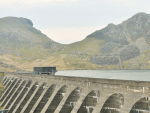
Editorial: Making Water Storage Easy
OPINION: Making it easier to collect rainwater and use it to grow crops and livestock is a no brainer.




 increase font size
DAIRY FARMERS have been on a rollercoaster of late – especially given the daily misfortunes of Fonterra and its botulism debacle. To see their industry ‘in lights’ in the international media, and being described as less than perfect, has been distressing.
Few will disagree Fonterra has botched its public relations response, not to mention serious mistakes at the Hautapu factory that started it all. Sadly the bad publicity is far from over: the various inquiries will be rolling it out for months.
Right now we’re seeing a phenomenon you could call the ‘race to China’. Fonterra is sending a delegation there, MPI is sending its man there and John Key is planning a visit there too. With bags packed with humble pie they are hoping to placate the Chinese for their stuff-ups. No mention yet about the impact on other dairy companies and others tainted and affected in various ways.
But amidst all the Fonterra turmoil is a spark of good news on the home front for dairy farmers who have kept their heads down and focused on their farming. Early indications are that the drought’s effects are being overtaken by the mild winter, and that production is now roaring away in this early spring.
It might be too soon to lay bets, but hope is there for a good season. The other good news is the global milk price holding up and the good payout announcements by all dairy companies.
One has to admire dairy farmers for their resilience during the Fonterra crisis. They have remained calm and focused on the issues on-farm, doing what they do best – producing high quality milk. They have been badly let down by Fonterra, whose directors and senior managers ought to be extending apologies to their shareholders, not just to Chinese customers.
OPINION: Making it easier to collect rainwater and use it to grow crops and livestock is a no brainer.
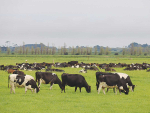
OPINION: New health and safety guidance unveiled by the Government recently provides farmers greater certainty about what is expected of them when managing risks on farm.
OPINION: Have a plan in place now!
OPINION: The stats speak for themselves.
OPINION: David Seymour and James Meager's plan to make it easier for farmers and orchardists to operate drones can best be described a 'courageous' move.


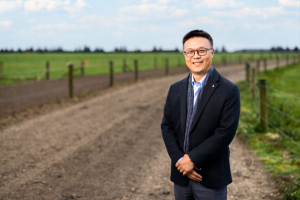
Canterbury milk processor, Synlait Milk has confirmed Leon Fung as its chief executive officer.
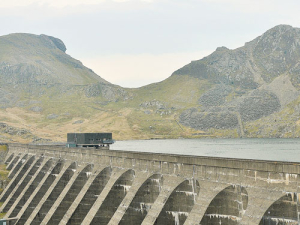
OPINION: Making it easier to collect rainwater and use it to grow crops and livestock is a no brainer.
As part of its Election 2026 coverage, Rural News asked political parties how they would help pull the arable sector out of the doldrums. Here's what they said:
Farmers are being encouraged to rethink how they manage waste on farm with the launch of ruralwastesorted.co.nz, a new website bringing together practical tips, real farmer experiences and resources.
New Zealand Winegrowers (NZW) is celebrating the India-New Zealand Free Trade Agreement (FTA) coming into force today, bringing New Zealand wine improved access to one of the world’s fastest-growing economies.
New Zealand’s red meat sector has welcomed the India-New Zealand Free Trade Agreement taking effect, which removes India’s 33% tariff on New Zealand sheepmeat.


OPINION: It seems Canterbury processor Synlait is still in the doldrums.
OPINION: Get offside with New Zealand First leader Winston Peters at your own peril.




