Pāmu Braces for $30m Hit From Rising Farm Costs
State farmer Pāmu is bracing for a $30 million hit from soaring farm input costs this financial year.




 increase font size
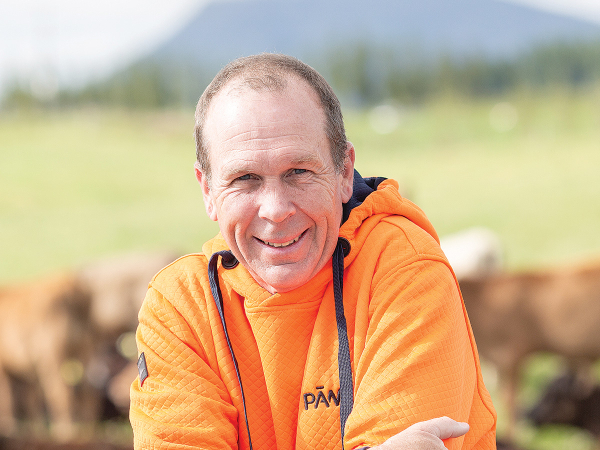 Pāmu chief executive Mark Leslie.
Pāmu has released its FY26 Integrated Annual Report, reporting a Net Operating Profit of $113 million, more than double the $49 million recorded in FY25.
The state-owned enterprise, described as New Zealand's largest farming business, paid a $25 million dividend to its shareholder and delivered a total shareholder return of 11.4 percent for the year, a measure the company says reflects both financial performance and broader value creation.
The report outlines progress across a range of strategic priorities, including climate adaptation, Farm Environment Plans, workforce development, technology adoption and innovation partnerships.
Pāmu said these priorities reflect the findings of a recent materiality assessment, which identified the value the company provides in testing, demonstrating and sharing new farming approaches that benefit the wider sector, beyond its own operations.
Pāmu Chief Executive Mark Leslie said stakeholders recognised the role Pāmu can play in helping the broader primary sector address shared challenges and opportunities.
"As a state-owned enterprise, we have an opportunity to create spillover benefits that extend well beyond our own farms," Leslie said.
The report cites technology partnerships, genetics programmes, environmental initiatives and other innovations as examples of work aimed at improving productivity, sustainability and resilience across New Zealand agriculture.
The result marks a significant improvement in profitability year-on-year, though the report frames the outcome as more than a financial story — pointing to Pāmu's dual role as a commercial farming business and a state-owned entity expected to generate wider benefits for the sector, including in environmental practice and innovation.
State farmer Pāmu is bracing for a $30 million hit from soaring farm input costs this financial year.

Meat Industry Association data, released alongside the Red Meat Sector conference in Wellington, shows export value climbing across the US, China, UK and Canada.
Applications are set to open for the 2027 Zanda McDonald Award, a trans-Tasman award recognised for identifying and fast-tracking talented young leaders in agriculture and agribusiness.
Synlait has swung to second-half profit as operations stabilise, but the dairy processor still posted a $75.4m annual loss.
LIC shareholders have elected a new North Island representative to the co-operative's Board, along with five representatives to its Shareholder Reference Group (SRG), following the company's Annual Meeting held in Invercargill.
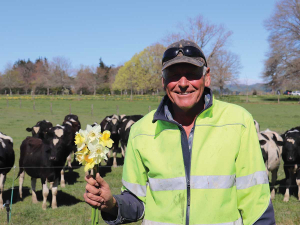
South of the central Hawke’s Bay town of Waipukurau is Taniwha Station – a highly successful 550ha bull beef farming operation.
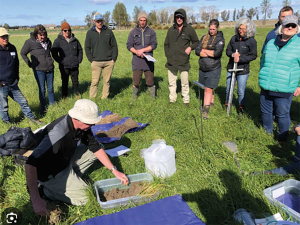
Beef + Lamb NZ funded research has shown that some simple changes to pasture management could help farmers make better use of rainfall and build resilience before dry conditions hit.
OPINION: There could hardly be a more appropriate theme for a conference than the one chosen by the red meat sector - Navigating Volatility.
When Northland leather worker Vernon Suckling started making horse saddles 50 years ago, quad bikes and side-by-side vehicles were unheard of.
Alliance Group has confirmed that eligible farmer-shareholders who supply and continue to back the business will receive up to $20 million later this year, following the strategic investment partnership with Dawn Meats.
With a general election under five weeks away, Rural News is asking major political parties about their policies and positions on key issues facing the primary sector. We will run their responses to each question over the next four weeks. The ACT Party and the Greens didn't respond in time.



OPINION: The same mainstream media muppets that brought you Jacindamania in 2017 have been flat out pimping for the Opportunities…
OPINION: Your old mate reckons the atrocious way farmers in the UK are treated by their lords and masters in…