
NZ Dairy Expo Gains Momentum in Matamata
The third edition of the NZ Dairy Expo, held in mid-February in Matamata, has shown that the KISS principle (keep it simple stupid) was getting a positive response from exhibitors and visitors alike.




 increase font size
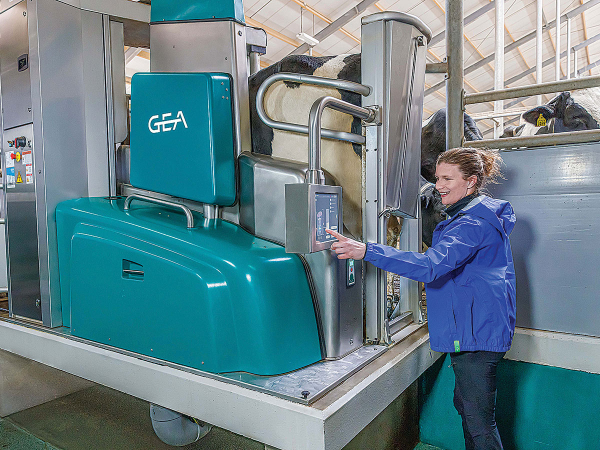 DairyRobot R9500 is ideal for smaller herds, offering the flexibility of voluntary milking.
GEA Farm Technologies New Zealand is announcing the launch of its cutting- edge Automatic Milking Systems (AMS), designed to bring a new level of efficiency, profitability, and sustainability to pasture-based dairy farming.
“This technology is brand new to New Zealand,” says Craig Lowry, head of sales & service at GEA Farm Technologies New Zealand.
“This innovative range, tailored for farms of all sizes, combines advanced automation with traditional farming practices to meet the unique needs of Kiwi farmers.”
With options for both voluntary milking systems (cow-led, 24/7 operation) and batch milking systems (scheduled group milking), GEA’s AMS offers flexibility and adaptability for farms looking to modernise without compromising their heritage.
“This is so important, the dairy products our farmers produce are trusted worldwide because of New Zealand’s farming heritage, we want to modernise while staying true to what makes us global leaders in pasture-farming,” says Lowry.
GEA’s AMS integrates seamlessly into any farm setup, whether for a small herd or a large-scale operation. Their advanced milking stall modules featuring the original DairyRobot R9500 voluntary robot, the DairyProQ rotary, and the all-new R9600 and R9650 boxes for batch milking, are designed to grow alongside a farm’s evolving needs.
“Automatic batch milking is gaining momentum in New Zealand, particularly for herds over 300 cows, says Lowry.
“Batch milking mirrors conventional milking routines but leverages automation to optimise labour, streamline cow traffic, and ensure high throughput. For farmers managing pasture-based systems, this method aligns perfectly with their daily workflows, core values and requires no changes to their grazing model.”
Key features of GEA’s Advanced Automated Systems
GEA’s In-Liner Everything technology revolutionises the milking process by combining all essential steps, including teat stimulation, cleaning, milking, teat spraying, and cluster rinsing in one single cluster attachment.
 |
|---|
|
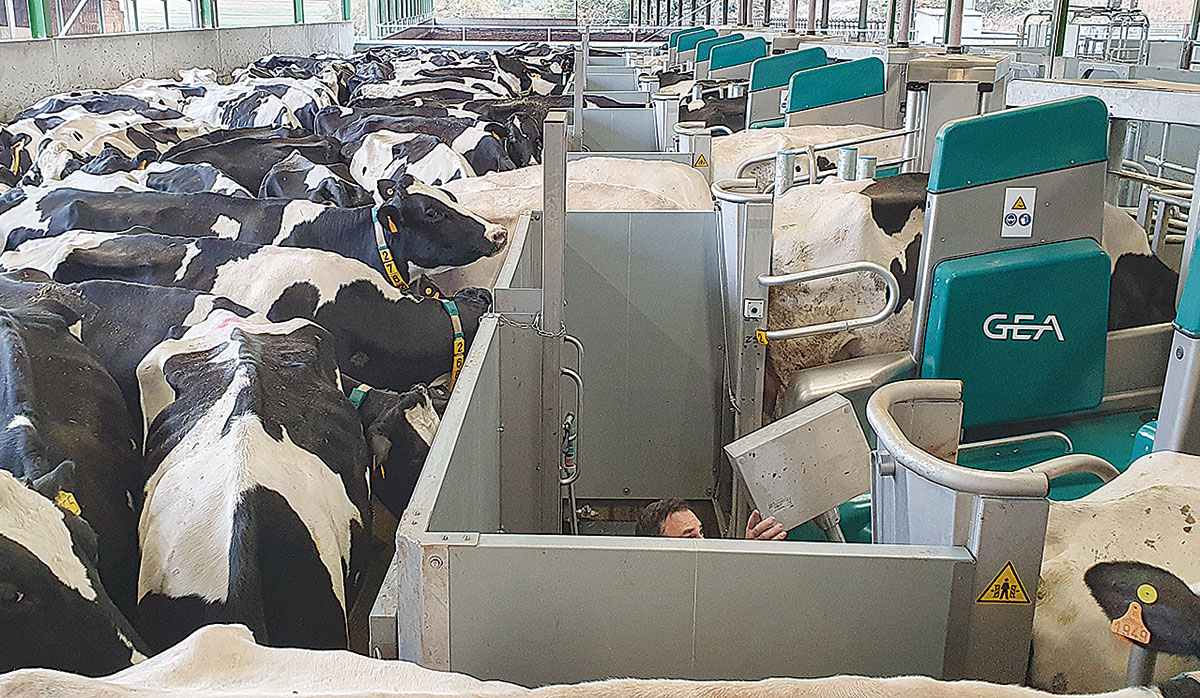
GEA says its robotic milkers integrate seamlessly into any farm setup. |
“Our automatic milking systems are designed to help New Zealand farmers embrace the future of dairy farming without losing the essence of what makes their operations unique. By combining automation with pasture-based principles, we’re offering tools that increase efficiency and sustainability while keeping farmers in control,” says Lowry.
GEA’s AMS has already delivered significant results across Australia. The Krichauff family in South Australia reported increased milk production, better animal health, and enhanced labour efficiency after adopting three Dairy- Robot R9500 units in a voluntary environment.
Meanwhile, the Smith family in Victoria saw dramatic improvements in milking efficiency and cow behaviour after adopting batch milking through the DairyProQ robotic rotary.
GEA says it is bringing a new era of dairy farming to New Zealand. Committed to equipping New Zealand’s dairy farmers with tools to meet the challenges of modern farming while maintaining the principles that define their industry.
Farmers can expect to see the AMS system for themselves in 2025, with events currently being planned around the country to showcase the GEA DairyRobot.
The third edition of the NZ Dairy Expo, held in mid-February in Matamata, has shown that the KISS principle (keep it simple stupid) was getting a positive response from exhibitors and visitors alike.
Farm races or laneways are central to moving animals, people and machinery around the farm. In the case of dairy farms, their maintenance is paramount as cows may walk considerable distances two or even three times a day.
Made in New Zealand is a feature that looks at the wealth of design and manufacturing ability we have in New Zealand, producing productive and cost-effective products for the agricultural sector. Machinery and Products editor Mark Daniel takes a closer look at Combi Clamp Limited, catching up with Managing Director Wayne Coffey.
The practicalities of dairy farming centre around looking after animals well, and a whole bunch of logistics – largely lifting and loading.
Waikato farmer Dave Muggeridge was fed up with water seeping in through his maize silage cover and spoiling feed.


National’s pledge to introduce 19 new national standards shows the party is serious about getting Wellington out of farming, Federated Farmers says.
The National Party’s policies to make it easier to grow fresh vegetables, secure reliable water and energy and simplify farm planning are practical changes that will give growers the confidence to invest, according to Horticulture New Zealand (HortNZ).
Fonterra Co-operative Group chief financial officer Andrew Murray has resigned to take up a role outside the dairy giant.
A major move is about to get underway to improve the quality and viability of dairy beef and cattle in NZ.
Veterinarians say changes to the code of welfare for dairy cattle provides a positive foundation for improved cattle welfare across the country.
Today, 15 October, is the International Day of Rural Women, which recognises rural women’s contribution to farming, communities and the environment.

OPINION: It seems Canterbury processor Synlait is still in the doldrums.
OPINION: Get offside with New Zealand First leader Winston Peters at your own peril.




