Dairy Effluent Management: Right Amount at the Right Time
Good effluent management on a dairy farm combines a well-designed system with proper processes to ensure the right amount of effluent gets applied to pasture at the right time.




 increase font size
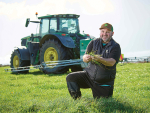
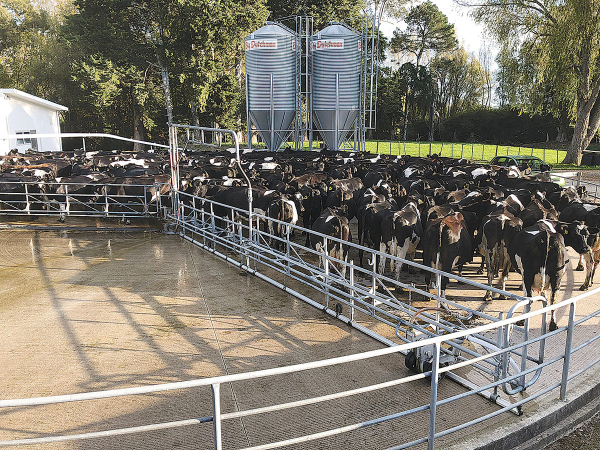 The Dungbuster Auto yard cleaning system is now employed at many dairy sheds around the country.
Making farming easy is what the TechniPharm team says it lives for.
With a 35-year reputation in the market pace, the company says their products solutions are innovative and well proven.
One of their innovations, the Dungbuster Auto yard cleaning system, is now employed at many dairy sheds around the country. And when it comes to measuring productivity improvements, Dungbuster is at the top of the list, the company says.
With most yards taking between one to two hours a day to clean by manual yard hose, it’s a “labour sucker”.
“With Dungbuster this time requirement is eliminated: That is not a 100% productivity improvement or a 1000% improvement, it’s an eliminating improvement.
“Freeing up time for far more important jobs or creating more time to recharge for the day ahead, or an evening game or outing with the family.
“Additional benefits amount to reduced water use, reduced effluent creation, reduced power use, and reduced greenhouse gasses. All in all the investment in Dungbuster delivers and continues to deliver day after day.”
Technipham points out that one of their long term users of Dunbustger has described it ‘as a game changer on my farm’.
Talk to the TechniPharm team on site 17 at Dairy Expo and inspect their other Make Farming Ezy solutions in hoofcare, animal handling, yards, effluent storage and general tools and aids.
Good effluent management on a dairy farm combines a well-designed system with proper processes to ensure the right amount of effluent gets applied to pasture at the right time.
For years, IrrigationNZ has called for a coordinated national approach to water security, backed by enabling regulation, strategic infrastructure investment and sound technical practice. As the 2026 general election approaches, many of these priorities are now reflected in political commitments and legislative reforms. That represents significant progress, but the real measure of success will be turning policy into practical outcomes, says IrrigationNZ principal technical officer Stephen McNally.
Opuha Dam's ability to protect South Canterbury communities from major flooding has taken a significant step forward, with Opuha Water Limited (OWL) successfully commissioning a new outlet valve capable of releasing record volumes of water from the dam ahead of a weather event.
Increased competition for water means the whole community is looking at how irrigators use water.
Tararua district farmer Jamie Harris milks around 400 cows using a split calving system on his farm, Crossdale Dairies.


Halter has launched Mav, an AI farming assistant that lets dairy farmers ask questions about their herd and pasture and get answers drawn from the data the company’s collars already collect.

OPINION: At first glance it appears that Father Christmas has delivered the rural sector good tidings, with most pundits predicting the return of the centre-right coalition.
For 15 years, Glenda Rees has travelled from Gore to Awarua, often several times a week, to keep watch over one of the country’s rarest birds.
With some farmers opposing a government-industry partnership set up to develop methane reducing products, one NZ company claims that it already has a product on the market.
During the nesting season, from September to December, industrious starlings can quickly build nests in the darker areas behind tractor and vehicle, usually close to hot engines, typically resulting in localised damage or in some cases complete write-offs.
The meat processing industry is much more collegial than it was in the past and is now more focused on common goals.


OPINION: It seems Canterbury processor Synlait is still in the doldrums.
OPINION: Get offside with New Zealand First leader Winston Peters at your own peril.