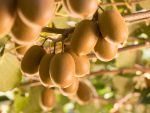
NZKGI Responds to Migrant Worker Exploitation Reports
Where any worker in the kiwifruit industry is mistreated, we expect the authorities to take action.



 increase font size
 Michelle Sands, HortNZ’s general manager for strategy and policy.
Horticulture New Zealand (HortNZ) says access to reliable irrigation water is essential for a thriving horticultural sector.
It says the Hawke's Bay Regional Council's decision to advance plans for a new water storage facility on the Heretaunga Plains will be great news for growers.
The council is now entering a full feasibility phase for a medium sized 27 million cubic-metre water storage facility at Whanawhana, aimed at supporting the region's people, businesses and environment.
The Heretaunga Plains, home to most of the region's population, includes Napier and Hastings. The area is a key hub for horticulture, boasting world-class soils and a climate that supports a diverse range of crops.
Horticultural crops grown on the Heretaunga Plains are critical to both export and domestic markets.
Key crops include pipfruit, summerfruit, green beans, sweet corn, squash, onions, kiwifruit, berries, potatoes, citrus, and leafy greens.
The plains are particularly vital to New Zealand's apple industry, which is valued at over $1 billion in revenue, with around 65% of production based in Hawke's Bay.
Michelle Sands, HortNZ's general manager for strategy and policy, says the announcement is welcome news for growers and households alike, as access to reliable irrigation water is essential for a thriving horticultural sector.
"The Heretaunga Plains is one of New Zealand's most important food-producing regions.
"Its soils and cliamte enable a high degree of crop diversity, but a secure and sustainable water supply is crucial to maintaining this productivity," says Sands.
HortNZ acknowledges that the underlying aquifer, which supplies of the water for horticulture, must be carefully managed to protect the health of spring-fed rivers and streams.
"The council's recognition of the need for a secure freshwater supply for growers is a significant step forward. The new water storage facility will help safeguard the industry's future, create resilience to climate change, and support continued economic growth and job creation in the region."
The Whanawhana water storage project presents an opportunity to harvest water when it is abundant and use it to access water when they need it while improving the overall health of rivers and streams.
"Growers look forward to working collaboratively on this project alongside iwi, mana whenua, and community representatives," says Sands.
Where any worker in the kiwifruit industry is mistreated, we expect the authorities to take action.

Kiwifruit growers are watchful but remain optimistic as concerns around the potential effects of the El Niño weather pattern this season.
Opuha Dam's ability to protect South Canterbury communities from major flooding has taken a significant step forward, with Opuha Water Limited (OWL) successfully commissioning a new outlet valve capable of releasing record volumes of water from the dam ahead of a weather event.
James Blair, an agronomist for AS Wilcox and the Pukekohe regional champion, has won the 2026 Young Grower national title.
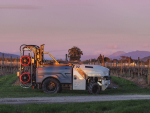
Claimed to be the first autonomous robot for New Zealand vegetables growers, the first Kilter AX-1 unit has arrived in the country.


Federated Farmers has welcomed new rural policies released by ACT, saying they align closely with its own election priorities.

Rural Contractors NZ says proposed changes to land transport rules for agricultural vehicles are a welcome response by the Government to out of date regulations which have seen members hit with huge fines.
Alliance is calling for final applications for its 2027 Graduate Programme, with applications closing on Sunday 25 October.
Decades piloting planes has ensured vet and farmer David Hayes is focused on safety. So, after a serious accident while welding on farm, he is sharing his experience so others can learn from it.
Canterbury milk processor, Synlait Milk has confirmed Leon Fung as its chief executive officer.
OPINION: Making it easier to collect rainwater and use it to grow crops and livestock is a no brainer.


OPINION: The same mainstream media muppets that brought you Jacindamania in 2017 have been flat out pimping for the Opportunities…
OPINION: Your old mate reckons the atrocious way farmers in the UK are treated by their lords and masters in…




