
Only the chosen few
Of the 600 people who attended a recent sheep milking field day run by Spring Sheep Dairy, 45 applied to be suppliers, but only five were accepted.




 increase font size
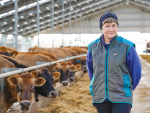
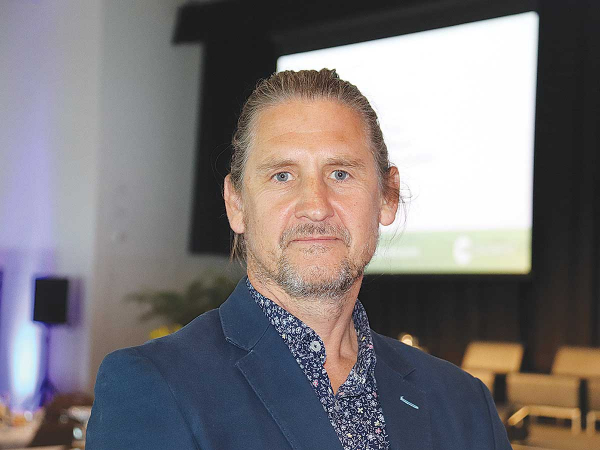 Scottie Chapman
Scottie Chapman says New Zealanders should stop extolling the virtues of the No 8 wire concept.
The head of Spring Sheep Dairy says the No 8 wire concept was a success story of our past when, because of travel times, NZ was a long way from everywhere and we had to find a way to improvise
However, Chapman believes the link to improvisation in the form of the No 8 wire concept – from the past to the way we operate today with modern technology and transport – is completely wrong.
“The No 8 concept was important 150 years ago because it helped get us where we are today,” he told Dairy News.
“But now the world is more sophisticated and we are wanting to showcase our innovation and quality of our agricultural systems and products. Gone are the days of selling slabs of meat around the world.”
Chapman says improvisation isn’t a substitute for innovation and NZ needs to tell good stories about its primary sector.
In terms of storytelling, Chapman believes marketing slogans are of no value because they lack authenticity.
He says NZ has a good and beautiful authentic story to tell and one that resonates with consumers. He points specifically to the Maori concept of Kaitiaki.
“Kaitiaki is authentic NZ and is one thing we can talk about,” Chapman explains. “The guardianship and how it all works and without doubt that is of great value to NZ because it is really authentic, is different and it has a mystique about it that is really positive.”
In terms of the consumer, Chapman says NZ must embrace sustainability, with people who buy our food looking to make sure our products and production systems are sustainable.
He believes sustainability is “not an option” for NZ.
“It is something we need to do and all it is doing the right thing ... the right thing for the environment, the right thing for animals and doing the right thing for the consumers,” Chapman explains.
“There will be a prize for the first to get there, and even if there wasn’t it’s still what we should be doing. I think you’ll find that consumers will more than happily pay for it – even if they don’t is about the social licence to operate.”
Of the 600 people who attended a recent sheep milking field day run by Spring Sheep Dairy, 45 applied to be suppliers, but only five were accepted.

Sheep milk producer Spring Sheep Dairy has expanded its farmer supplier base by over 30% this season.
New Zealanders should stop extolling the virtues of the No 8 wire concept.
It's not the time yet for farmers to start getting into dairy sheep, but those interested need to keep a “watching brief” on the Government's new Primary Growth Partnership programme.
The dairy sheep industry in New Zealand will be "turbo-charged" by a new $31.39 million Primary Growth Partnership (PGP), the Primary Industries Minister, Nathan Guy, claims.

Farmer-owned fertiliser company, Ballance Agri Nutrients is welcoming National’s plan to negotiate security agreements with key supplier countries to protect New Zealand-bound products from export restrictions and greater supply chain certainty.
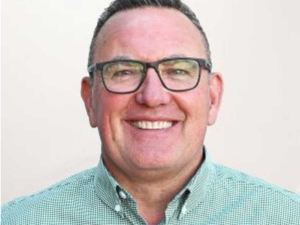
Carrfields has announced the appointment of Stu Hall to the newly created role of chief operating officer, Carrfields Ltd, reflecting the continued growth of their agribusinesses and the need to ensure the company has the leadership capacity and support in place as it pursues the emerging opportunities ahead.
New Zealand's role is not to compete with Indian growers, according to NZ Apples and Pears.
The potato industry is celebrating the success of two rising stars - James Blair, the 2026 Young Grower of the Year and runner-up and innovation award winner, Amber Davy.
Twenty-eight emerging leaders from across the horticulture sector spent two days last month learning valuable skills and connecting with industry experts.
There are five entrants in this year’s Young Horticulturist of the Year, competing in a series of technical, practical, business and leadership challenges.
OPINION: It seems Canterbury processor Synlait is still in the doldrums.
OPINION: Get offside with New Zealand First leader Winston Peters at your own peril.




